As you plan your next travel destination, Morocco is likely to be on your radar, with its rich culture, stunning landscapes, and exciting adventure opportunities. With direct flights from several UK airports, Morocco is an ideal short-haul holiday spot, offering a journey time of under four hours and no jetlag to contend with.
However, you may be wondering about the safety of travelling to this North African country. Regional tensions, crime, and cultural differences can be a concern for UK tourists. This comprehensive guide will address all aspects of safety in Morocco, providing you with the information you need to plan a secure and enjoyable trip.
From the bustling cities to coastal resorts and mountain adventures, Morocco offers diverse experiences for all types of travellers. With proper preparation and awareness, you can enjoy a memorable and safe holiday in this beautiful country.
Understanding Morocco’s Safety Landscape
As you prepare for your Moroccan adventure, it’s essential to grasp the current safety status and advice from trusted sources. Morocco is a popular destination for British travellers, and staying informed about the safety landscape can significantly enhance your travel experience.
Current Safety Status
Morocco is generally considered a safe country for tourists, with low levels of violent crime. However, as with any travel destination, it’s crucial to remain vigilant and take necessary precautions to ensure your safety. The local authorities have implemented various security measures to protect tourists, particularly in major cities and tourist areas. You should still be mindful of your surroundings, especially in crowded places like markets and public transportation hubs.
Staying informed about local conditions can help you avoid potentially risky situations. It’s also a good idea to register with the UK government’s travel registration service to receive important safety and security updates about Morocco.
UK Foreign Office Advice
The UK Foreign Office provides up-to-date advice for British travellers visiting Morocco. Currently, they do not advise against travelling to any part of Morocco. British passport holders can enter Morocco for tourism without a visa for up to 90 days, provided their passport is valid for at least three months beyond their intended stay. It’s crucial that your passport is not damaged and is stamped upon arrival to avoid any issues when leaving Morocco.
The Foreign Office also assesses the risk of terrorism in Morocco. While there is a risk, particularly in crowded public places, the authorities are taking measures to mitigate this threat. You should remain cautious and stay updated with the latest advice before and during your trip. Additionally, having comprehensive travel insurance that covers all planned activities is highly recommended.
Is It Safe to Holiday in Morocco? The Overall Picture
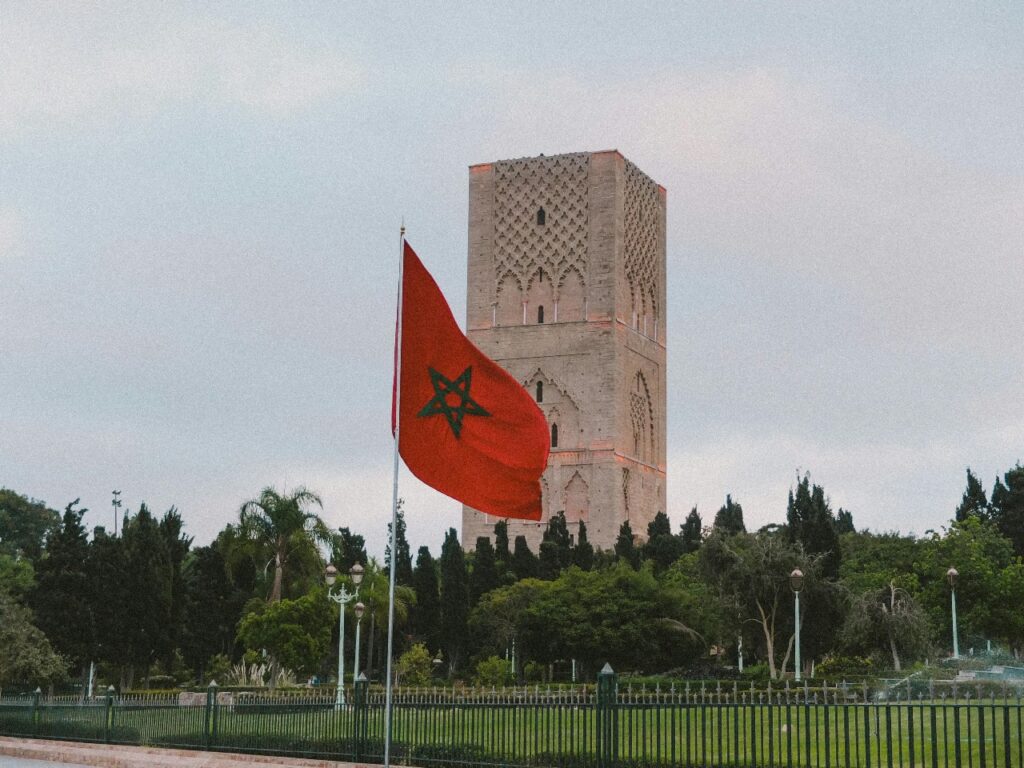
When planning a trip to Morocco, it’s natural to wonder about the safety of your destination. Morocco has long beckoned travelers with its vibrant culture, stunning landscapes, and historic cities like Fez, Casablanca, Tangier, and Marrakech. Understanding the overall safety picture is essential for a worry-free trip.
Safety Compared to Other North African Countries
Morocco is often considered one of the safer countries in North Africa. Compared to its neighbors, Morocco has a relatively stable environment, making it a popular choice for tourist travel. While it’s true that caution is always necessary when traveling, Morocco’s safety record is generally favorable. The country’s risk level is relatively low, especially when compared to other countries in the region.
For instance, Morocco has taken significant steps to enhance security, particularly in major tourist areas. This proactive approach contributes to a safer experience for visitors. When considering travel Morocco as your destination, it’s reassuring to know that the country is making efforts to ensure tourist safety.
Common Misconceptions About Moroccan Safety
Several misconceptions surround Morocco’s safety, often deterring potential visitors. One common myth is that Morocco is unsafe for Western tourists due to cultural or religious differences. However, Morocco is known for its welcoming nature and respect for visitors. Another misconception is that Morocco is directly affected by conflicts in the Middle East, which is not the case.
Some travelers confuse Morocco with other countries in the region that may have more significant safety concerns. It’s also mistakenly assumed that all areas of Morocco have the same safety profile. In reality, just like any other country, some areas are safer than others. Being aware of these differences can help you plan your trip more effectively.
While it’s always advisable to exercise caution when traveling, many fears about Morocco are unfounded or exaggerated. By understanding the actual safety situation, you can enjoy a safe and fulfilling trip to this beautiful country.
Terrorism Risk Assessment
Understanding the terrorism risk in Morocco is essential for a safe and enjoyable trip. While the country has a relatively stable security situation, the threat of terrorism is a concern that travelers should be aware of.
Historical Context of Terrorism in Morocco
Morocco has experienced terrorist attacks in the past, notably the 2003 Casablanca bombings and the 2011 Marrakech bombing. These incidents highlighted the threat posed by terrorist groups, including those affiliated with international networks. The Moroccan government has since taken significant steps to enhance security measures and counter-terrorism efforts.
Current Threat Level and Precautions
The UK Foreign Office advises that terrorists are “very likely” to attempt to carry out attacks in Morocco. Places considered at risk include crowded areas, government buildings, transport hubs, and areas popular with tourists. To minimize risk, travelers should remain vigilant, especially in crowded places, and stay informed about local security conditions. Visitors may encounter security checks at hotels, tourist sites, and transportation hubs. By being aware of the surroundings and following local advice, travelers can reduce their exposure to potential threats.
To stay safe, it’s advisable to avoid displaying signs of wealth, keep valuables secure, and be cautious when using ATMs or exchanging money. Additionally, registering with the UK government’s travel advisory service can provide timely safety and security updates.
Crime Concerns for Tourists
Understanding the local crime landscape is crucial for a safe and enjoyable holiday in Morocco. As a tourist, you are more likely to be a target for petty crimes and scams. Being aware of these potential issues can help you take necessary precautions to minimize risks.
Petty Crime and Pickpocketing
Petty crime, including pickpocketing, is a concern in tourist areas. Thieves often target crowded places like markets and public transportation. To protect yourself, keep your valuables secure and be mindful of your belongings, especially in crowded areas. Using a money belt or a secure bag can significantly reduce the risk of theft.
Scams Targeting Tourists
Scams are another issue that tourists might encounter. Common scams include overly friendly locals who might be trying to distract you while an accomplice steals your belongings. Be cautious of unsolicited help or overly aggressive vendors. Always be wary of deals that seem too good to be true, and never leave your belongings unattended.
Avoiding Unwanted Attention
To avoid unwanted attention, dress modestly and respect local customs. When interacting with vendors or locals, be polite but firm in your responses. Avoid displaying signs of wealth (like expensive jewelry or watches), and be cautious when using ATMs, especially in isolated areas. Traveling in groups can also help reduce unwanted approaches. Being aware of cultural differences in personal space and interaction can help prevent misunderstandings.
For women travelers, additional precautions can help minimize unwanted male attention. Dressing conservatively, avoiding traveling alone at night, and being assertive when needed can help. It’s also beneficial to research and understand local attitudes towards women to better navigate social interactions.
Safety by Region: Where to Go and Where to Avoid
When planning a trip to Morocco, understanding the safety dynamics across different regions is crucial for a hassle-free holiday. Morocco is generally a safe country, but like any other destination, certain areas require more caution than others.
Major Cities: Marrakech, Casablanca, and Fez
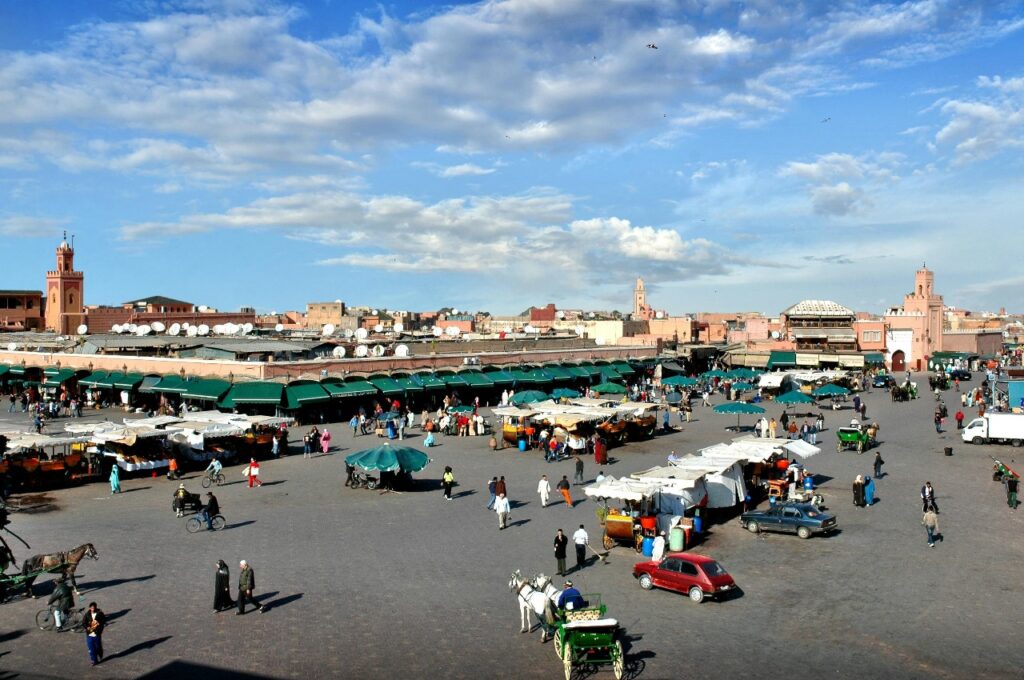
Major cities like Marrakech, Casablanca, and Fez are generally considered safe for tourists, with bustling streets and vibrant markets. However, as with any popular tourist destination, petty crime and scams can occur. In Marrakech, for instance, visitors should be cautious of aggressive vendors and pickpocketing in crowded areas.
Coastal Areas and Beach Resorts
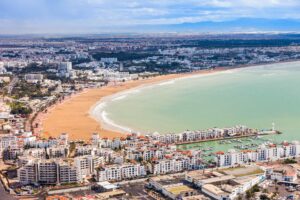
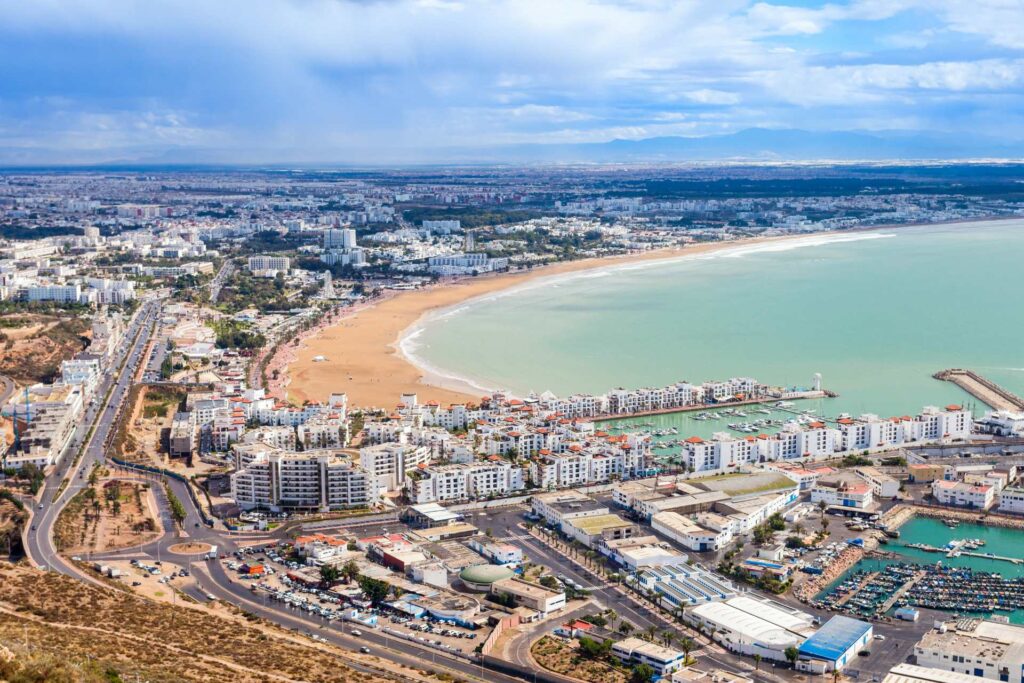
Coastal areas and beach resorts are typically safe and welcoming to tourists. Places like Essaouira and Taghazout are popular for their laid-back atmosphere and beautiful beaches. These areas are generally considered secure, with a strong police presence during peak tourist seasons.
Regions to Exercise Caution
There are several regions in Morocco where travellers should exercise caution. The Western Sahara region, for example, is advised against by Global Guardian due to elevated terror risks. The Algerian border and the Rif Mountains are also areas of concern due to historical incidents and drug trafficking activities.
Specifically, territories like Guelmim-Oued Noun, Laayoune-Sakia El Hamra, and Dakhla-Oued Ed-Dahab in the Western Sahara are either partially or substantially administered by the Sahrawi Arab Democratic Republic, not the Moroccan government, and pose a higher risk. Travellers should be aware of these regional dynamics and plan accordingly.
Safety Considerations for Women Travellers
Travelling to Morocco as a woman requires some special considerations to ensure your safety and comfort in this vibrant country. Morocco is generally a welcoming place for women travellers, but being mindful of local customs and taking certain precautions can significantly enhance your experience.
Cultural Context and Local Attitudes
Morocco is a conservative country with strong cultural and religious traditions. As a woman, you’ll be expected to dress modestly, covering your arms, legs, and chest. The Foreign Office advises wearing loose-fitting clothing, and Frommer’s suggests that dressing conservatively can range from loose, long pants and shoulder-covering short-sleeve shirts to a full-length Moroccan robe, known as a jellabah. This not only shows respect for local customs but also helps you blend in and avoid unwanted attention.
Understanding local attitudes towards women is also crucial. While Morocco is generally hospitable to women travellers, there can be instances of catcalling or unwanted attention. Being prepared and knowing how to handle these situations can make a significant difference.
Practical Safety Tips for Solo Female Travellers
To ensure a smooth and enjoyable trip, consider the following practical tips: – Dress modestly and comfortably, respecting local dress codes, especially when visiting mosques or rural areas. – Choose women-friendly hotels or riads that have good reviews and are located in safe areas. – For transportation, opt for reputable taxi services or ride-sharing apps, and always check the driver’s ID before getting in. – Be cautious with your belongings, especially in crowded areas or tourist hotspots, and consider using a money belt. – When handling unwanted attention, stay calm and firm. A polite but clear “no” or ignoring the individual can be effective strategies. – Connecting with other travellers or joining women-friendly tours can also enhance your safety and overall experience.
By being informed and prepared, you can have a safe and fulfilling trip to Morocco. Make sure to stay aware of your surroundings, especially at night, and trust your instincts.
LGBTQ+ Travel Safety in Morocco
As an LGBTQ+ traveller, understanding the safety landscape in Morocco is vital for an enjoyable trip. Morocco has a complex legal and cultural environment regarding LGBTQ+ issues.
Legal and Cultural Considerations
Morocco’s laws and cultural norms are not particularly welcoming to LGBTQ+ individuals. The country’s penal code criminalizes same-sex relations, and public displays of affection can lead to prosecution, as advised by the Foreign Office. It’s essential to be discreet about your sexual orientation or gender identity in public places.
Being aware of these laws and cultural attitudes will help you navigate Morocco more safely.
Navigating Morocco Safely as an LGBTQ+ Traveller
To ensure a safe travel experience, consider choosing LGBTQ+-friendly hotels and riads. When in public, avoid drawing attention to yourself, and be cautious with your digital presence, especially on dating apps and social media. In case of harassment or discrimination, know how to contact local police or your country’s embassy.
Researching and connecting with LGBTQ+-friendly guides or tour operators can also enhance your safety and overall experience in Morocco.
Transportation and Accommodation Safety
Ensuring your safety while travelling in Morocco involves making informed decisions about how you get around and where you stay. With a range of options available for both transportation and accommodation, you can significantly enhance your safety by choosing reputable services and places to stay.
Getting Around Safely
When it comes to getting around Morocco, safety should be your top priority. Opting for reputable taxi services or ride-sharing apps can make a significant difference. These services are generally considered safe, especially during the days. However, it’s advisable to agree on the fare before you start your journey to avoid any potential disputes.
For longer distances, consider using bus services operated by reputable companies. These buses are not only comfortable but also provide a relatively safe way to travel across the country.
Choosing Secure Accommodation
Morocco offers a diverse range of accommodations, from riads and hotels to hostels and vacation rentals. When choosing where to stay, especially in a city like Marrakech or Fez, consider the safety profile of your chosen accommodation. Researching your options thoroughly can help ensure that your stay is both enjoyable and secure.
Always leave your passport and spare cash locked securely in your hotel safe, particularly at night. When booking, look for accommodations that offer robust security measures, such as 24-hour front desk services and secure entry systems.
Cultural Awareness and Etiquette for Safe Travel
As you plan your trip to Morocco, understanding the local culture is crucial for a safe and enjoyable journey. Morocco is a conservative country with a rich cultural heritage, and being mindful of local customs and etiquette can significantly enhance your travel experience.
Respecting Local Customs
Morocco is an Islamic country, and respecting local customs is essential. When visiting mosques or rural areas, dress modestly to avoid offending local sensibilities. The Foreign Office advises wearing loose-fitting clothing that covers the arms, legs, and chest. In rural areas, such as the Atlas Mountains, traditional attire is more prevalent, and visitors should be respectful of this.
It’s also important to be aware of local norms regarding public displays of affection, alcohol consumption, and interaction between genders. For example, public displays of affection are generally frowned upon, especially in more conservative areas.
Appropriate Dress and Behaviour
When it comes to dressing appropriately, the key is to be modest. For both men and women, this means covering shoulders and knees. In tourist resorts, dress codes may be slightly more relaxed, especially in the evenings. However, when visiting religious sites, it’s essential to dress more conservatively. Additionally, being respectful of photography etiquette is crucial; always ask permission before taking pictures of locals, especially in rural areas.
To make sure you have a smooth travel experience, be mindful of your behaviour during religious observances or in religious spaces. Removing your shoes when entering mosques or homes is a sign of respect, and avoiding public displays of affection can help you avoid unwanted attention.
Conclusion: Enjoying Morocco Safely
Morocco beckons travelers with its unique blend of tradition and modernity, but a safe trip requires some preparation. As you plan your visit, it’s essential to understand the safety landscape to ensure a memorable experience. Morocco is a destination that offers a rich cultural heritage and breathtaking natural beauty.
While generally considered safe, it’s wise for visitors to remain vigilant, especially in crowded areas where petty theft can occur. Staying informed about current events and respecting local customs will significantly enhance your safety. By taking these precautions, you can enjoy the vibrant cities, stunning landscapes, and warm hospitality that Morocco has to offer.
For safe travel, it’s crucial to be aware of your surroundings and keep up-to-date with official advice. Millions of tourists visit Morocco safely each year, and with proper preparation, you can have a similarly positive experience. Whether you’re exploring the bustling streets of Marrakech or trekking through the Atlas Mountains, Morocco has much to offer the prepared traveler.
In conclusion, Morocco is a safe and rewarding travel destination when approached with awareness and respect. By following the safety tips outlined in this guide, you can enjoy all that Morocco has to offer while minimizing risks. So, pack your bags, and get ready for an unforgettable travel experience in this captivating country.