Are you ready to embark on a journey that will transport you to a world of vibrant colours, rich cultures, and breathtaking landscapes? As you plan your trip to this enchanting North African country, you may wonder what secrets lie hidden beneath its ancient medinas and bustling souks.
With its unique blend of African, Arab, and European influences, Morocco promises an experience like no other. From the majestic Atlas Mountains to the serene Sahara Desert, this captivating land is waiting to be explored. As you prepare for your travel adventure in 2026, our comprehensive guide will provide you with essential insights on the best time to visit, cultural etiquette, and more.
Discovering Morocco: A Land of Contrasts
With its rich cultural heritage and diverse landscapes, Morocco is a destination that promises an unforgettable adventure. As you explore this captivating country, you’ll discover a unique blend of ancient traditions and modern influences that make Morocco a standout travel destination in the world.
What Makes Morocco Special
Morocco stands out as a captive country where the call to prayer echoes across bustling medinas, and traditional craftsmanship thrives alongside contemporary art. The blend of Berber, Arab, and European cultural elements creates a rich tapestry of experiences, making your travel experience truly unforgettable. You’ll find that Morocco is a place where tradition and modernity coexist in harmony, offering a unique experience that will leave you with lifelong memories.
Geography and Regions
The geography of Morocco is remarkably diverse, encompassing the Sahara Desert in the south, the Atlas Mountains running through the centre, and fertile plains along the Atlantic coast. Each region offers distinct landscapes, architecture, cuisine, and cultural practices, making Morocco feel like several countries in one. As you travel through this multifaceted country, you’ll encounter major cities like Marrakech, Fes, Casablanca, and Tangier, each with its own character and charm, serving as gateways to different parts of Morocco.
As you explore Morocco, you’ll find that the diverse regions offer a wealth of experiences, from the bustling souks to the serene desert landscapes. Whether you’re visiting the city, exploring a new place, or simply soaking up the atmosphere, Morocco is sure to leave a lasting impression on you, making your travel experience a memorable part of your journey through the world.
Best Time to Visit Morocco in 2026
Morocco, a land of vibrant culture and diverse landscapes, is a year-round destination, but timing your visit correctly can enhance your experience. The country’s climate varies significantly from north to south and from the coast to the mountains, making some times of the year more suitable for certain activities and regions.
Seasonal Weather Patterns
The optimal time to visit Morocco is during spring (March to May) and autumn (September to November). During these periods, temperatures are pleasant across the country, and you’re likely to avoid both extreme heat and the busiest tourist periods. In contrast, summer can be extremely hot in inland cities like Marrakech and Fes, with temperatures often exceeding 35°C.
Peak vs Off-Peak Seasons
Understanding the difference between peak and off-peak seasons can greatly impact your travel experience. Peak tourist seasons, typically during the summer months and around Christmas/New Year, bring higher prices and more crowds to popular destinations. On the other hand, visiting during off-peak times can offer better value and a more authentic experience of city life.
Planning Around Ramadan and Religious Holidays
It’s essential to be aware that the Muslim holy month of Ramadan will affect your travel experience. Many restaurants and cafés close during daylight hours, although hotels and tourist establishments usually maintain their services. Planning your trip around Ramadan or being prepared for the changes it brings can make a significant difference in your overall experience and the time you have in Morocco.
In conclusion, while Morocco is a wonderful destination at any time of the year, visiting during the spring or autumn can provide a more comfortable and less crowded experience. Being mindful of the peak tourist seasons and religious holidays like Ramadan can also help you plan a more enjoyable trip, making the most of your time visit and allowing you to appreciate a lot more of what Morocco has to offer.
Visa Requirements and Entry Information
Morocco’s visa policy is relatively open, but there are specific requirements you should know before your trip. Travellers from many countries, including the UK, US, Canada, Australia, and EU nations, can enter Morocco without a visa for stays of up to 90 days.
Visa-Free Travel for UK Citizens
UK citizens can enjoy visa-free travel to Morocco for stays of up to 90 days, making it an accessible destination for both short breaks and longer holidays in 2026. This policy simplifies travel planning for UK travellers.
Required Documents
When entering Morocco, you’ll need to ensure your passport is valid for at least six months beyond your planned departure date and has at least one blank page for entry stamps. Required documents typically include a completed entry form, proof of accommodation, and evidence of sufficient funds.
COVID-19 and Health Requirements
While COVID-19 restrictions have been lifted, it’s advisable to check the latest health requirements before your trip as regulations may change by 2026. Staying informed will help ensure a smooth entry into Morocco on the day of your trip.
Getting to Morocco from the UK
If you’re planning a trip to Morocco from the UK, you’ll be pleased to know that there are several convenient travel options.
Flight Options and Airlines
Direct flights from the UK to Morocco are widely available, with major airlines like British Airways, Royal Air Maroc, and EasyJet offering regular services to Marrakech, Casablanca, Agadir, and other cities. The flight times from London to Morocco are relatively short, taking approximately 3 hours and 40 minutes to Marrakech and around 3 hours and 20 minutes to Casablanca, making it an accessible destination for even a long weekend break.
Ferry Routes from Spain
An alternative way to reach Morocco is by taking a ferry from southern Spain, with services running from Algeciras or Tarifa to Tangier in as little as 60-90 minutes, allowing you to combine a Spanish and Moroccan holiday.
Cruise Options
For those who prefer a more leisurely travel experience, numerous cruise lines include Moroccan ports such as Tangier, Casablanca, and Agadir in their Mediterranean itineraries.
Transportation: Getting Around Morocco
Getting around Morocco is relatively straightforward, thanks to its well-developed transportation infrastructure. You can travel between cities and explore the countryside using various modes of transport, each offering a unique experience.
Trains and the Al Boraq High-Speed Service
Morocco’s rail network is one of the best ways to travel between major cities. The Al Boraq high-speed train connects Tangier, Rabat, and Casablanca at speeds of up to 320 km/h, making it the fastest train service in Africa. This modern service provides a comfortable and efficient way to cover long distances.
Bus Travel Between Cities
For budget-conscious travellers, intercity buses operated by companies like CTM and Supratours provide extensive coverage to destinations throughout the country. While journey times can be longer than trains, buses offer an affordable option for getting around.
Taxi Options: Petit and Grand Taxis
Within cities, petit taxis are the most convenient way to get around, carrying up to three passengers. For intercity travel or group journeys, grand taxis are a better option, accommodating up to six passengers.
Car Hire Considerations
While car hire gives you the flexibility to explore remote areas, be aware that driving in Morocco can be challenging due to varying road conditions and different driving styles. Consider hiring a driver if you want the convenience without the stress.
Domestic Flights
For longer distances, domestic flights with Royal Air Maroc or Air Arabia Maroc can save significant travel time, although they’re more expensive than ground transportation options.
Top Destinations in Your Morocco Holiday Guide
With its unique blend of African, Arab, and European influences, Morocco offers a wealth of unforgettable experiences across its varied destinations. As you explore this captivating country, you’ll encounter a mix of vibrant cities, rich cultural heritage, and breathtaking natural beauty.
Marrakech: The Red City
Marrakech, often called the Red City due to its distinctive terracotta buildings, is a must-visit destination. You’ll be captivated by the bustling Djemaa el-Fna square, the labyrinthine medina, and opulent palaces like Bahia Palace and El Badi Palace. This city is a sensory overload in the best possible way, with its vibrant atmosphere and rich history.
Fes: The Cultural Capital
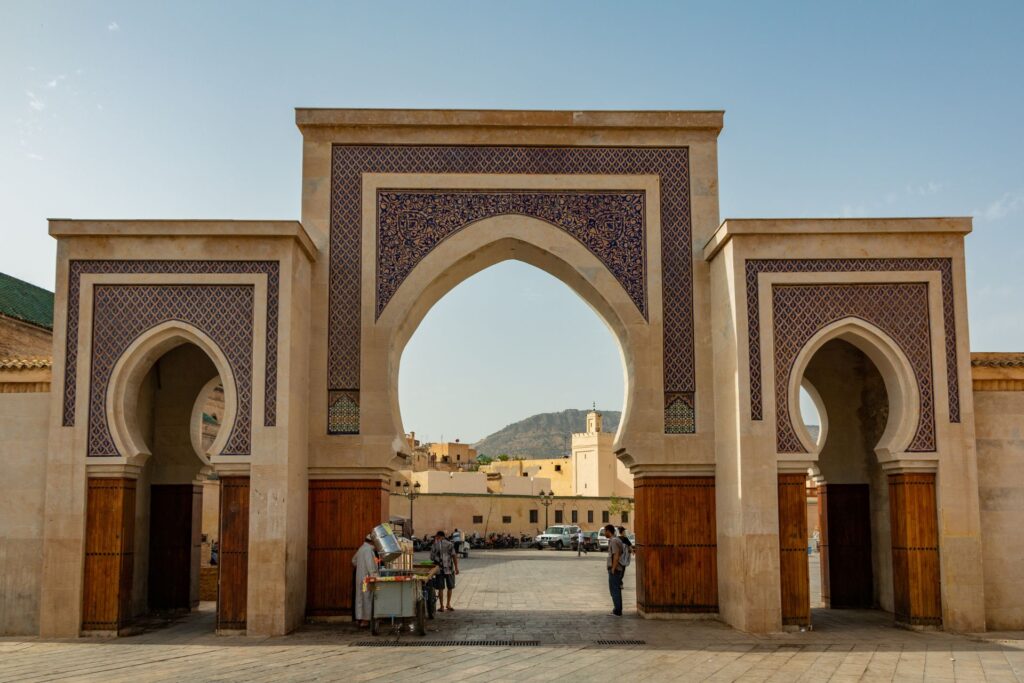
Fes, Morocco’s cultural and spiritual capital, boasts the world’s largest car-free urban area in its ancient medina. You can visit the oldest continuously operating university in the world, Al-Karaouine, and witness traditional crafts being practiced as they have been for centuries. The city’s rich cultural heritage is palpable as you wander through its narrow streets.
Chefchaouen: The Blue Pearl
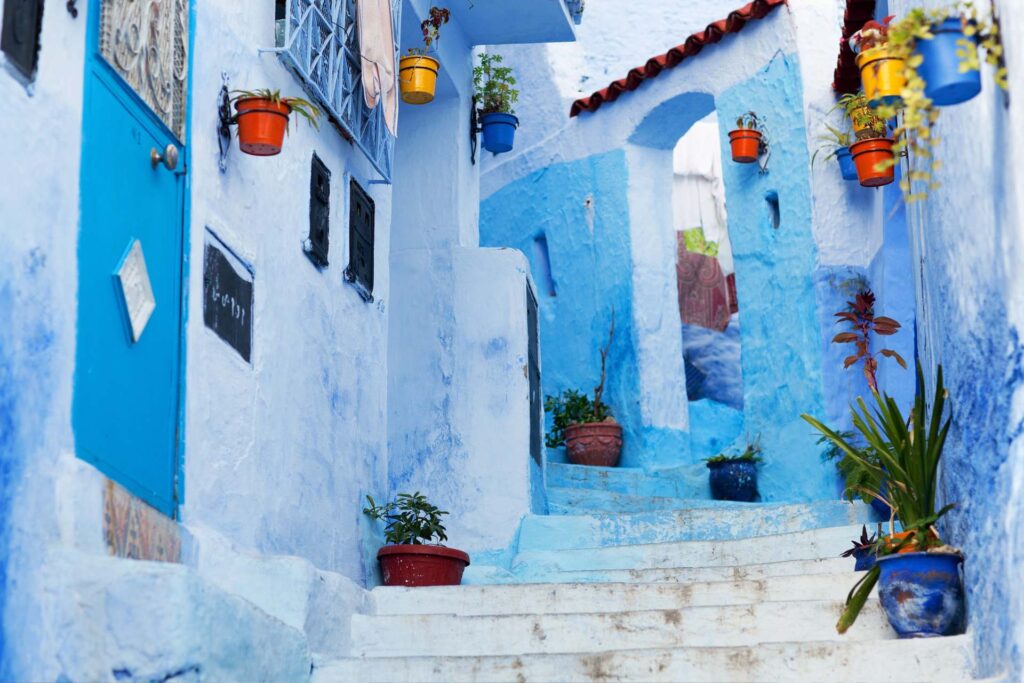
Nestled in the Rif Mountains, Chefchaouen enchants visitors with its striking blue-washed buildings and relaxed atmosphere. This picturesque town is a great place to unwind and enjoy the spectacular mountain scenery, making it one of the most photogenic places in Morocco.
Essaouira: Coastal Charm
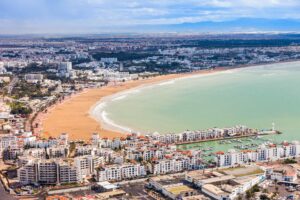
Essaouira offers a perfect coastal retreat with its UNESCO-protected medina, working fishing port, and beautiful beaches along the Atlantic sea. The refreshing ocean breeze provides relief from the Moroccan heat, making it an ideal destination for those seeking a relaxing getaway.
Atlas Mountains
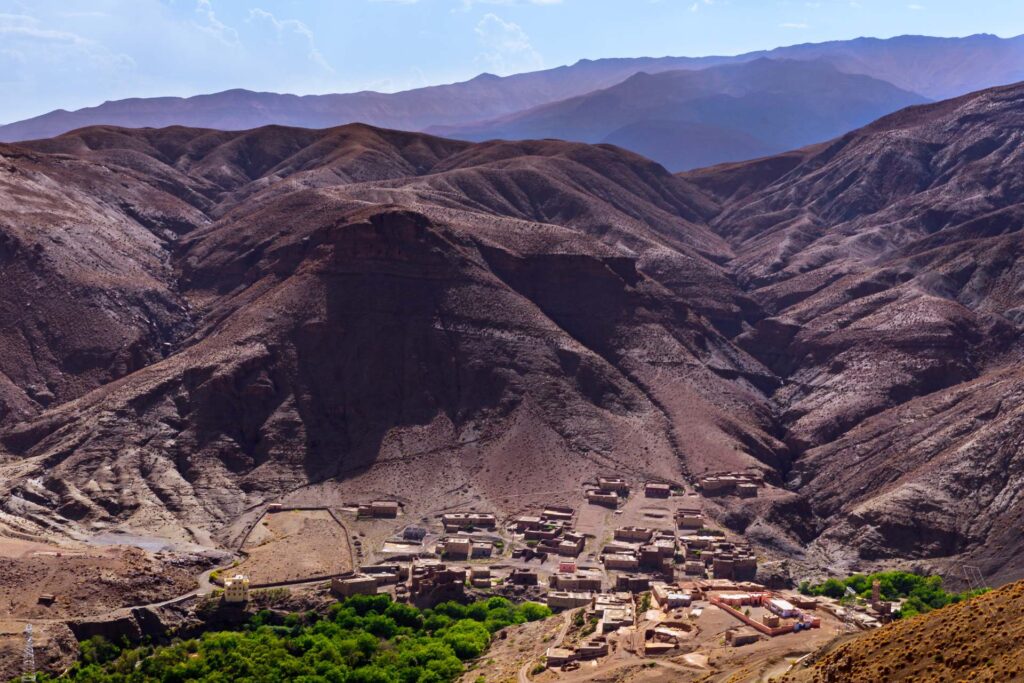
The majestic Atlas Mountains stretch across Morocco, providing opportunities for hiking, visiting traditional Berber villages, and experiencing dramatic landscapes. You can explore the lush valleys and snow-capped peaks, with Mount Toubkal being North Africa’s highest summit at 4,167 metres. The Atlas Mountains are a world apart, offering a unique and unforgettable experience.
Sahara Desert Experiences
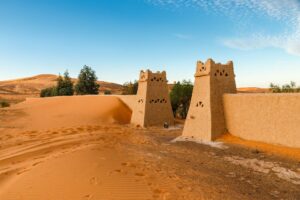
Morocco’s Sahara Desert offers an unparalleled adventure experience. The golden dunes of Erg Chebbi near Merzouga and Erg Chigaga near M’Hamid provide some of the most authentic desert landscapes.
Desert Camps and Glamping Options
You can choose between traditional desert camps with basic amenities or luxury glamping options that provide comfortable beds, private bathrooms, and gourmet meals under the stars for an unforgettable night in the desert.
Camel Treks and 4×4 Excursions
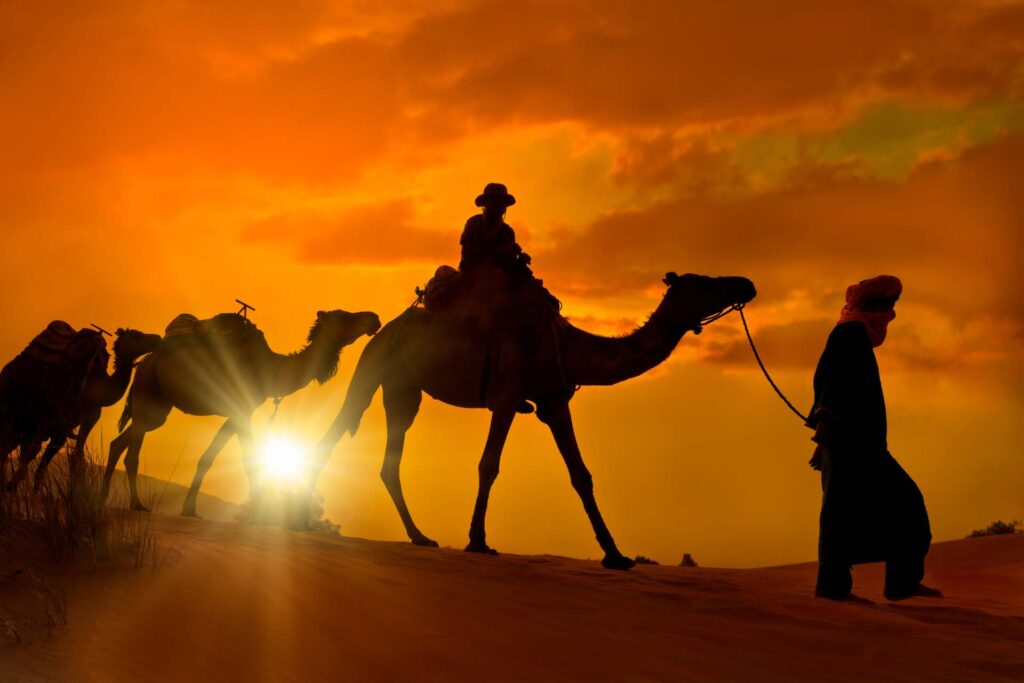
Camel treks remain the classic way to experience the Sahara, with guided tours typically departing in the late afternoon to catch the spectacular sunset over the dunes before arriving at your camp. For a more adventurous experience, 4×4 excursions allow you to cover more ground and reach remote areas of the desert.
Stargazing in the Desert
The Sahara offers some of the best stargazing opportunities in the world due to minimal light pollution, with many desert camps providing telescopes and astronomy guides to enhance your appreciation of the night sky.
Cultural Etiquette and Customs
Understanding the cultural nuances of Morocco is crucial for a respectful and enjoyable travel experience. Morocco’s customs and laws can be quite different from those in the UK, and being aware of these differences is key to avoiding unintended offense, especially in less-touristy areas.
Dress Code and Modesty
Both men and women should dress modestly, covering their shoulders, chest, and knees, particularly when visiting religious sites or conservative areas. This respectful attire will help you blend in and show appreciation for local customs.
Religious Considerations
Morocco is predominantly Muslim, so it’s essential to be mindful of religious practices. During Ramadan, refrain from eating, drinking, or smoking in public during daylight hours, as this may offend locals.
Photography Etiquette
Always ask permission before photographing people, as many Moroccans have cultural or religious objections to being photographed. Be especially cautious around mosques and other religious sites.
Greeting and Interaction Customs
When interacting with locals, greetings are important. A handshake and “Salam Alaikum” (peace be upon you) is appropriate, though be aware that some conservative Muslims may avoid physical contact with the opposite sex.
Accommodation Options Across Morocco
From traditional riads to modern hotels, Morocco’s accommodation landscape is as varied as it is vibrant. You can choose from a wide range of places to stay, each offering a unique experience.
Traditional Riads and What to Expect
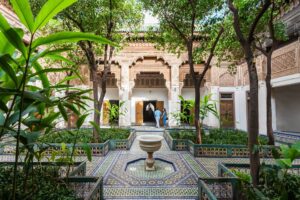
Traditional riads are a popular place to stay in Moroccan cities. These are often restored palaces and mansions, built around a central courtyard with a fountain or garden, offering an authentic accommodation experience. Prices range from 500 to 3,000 MAD per night, depending on the luxury level and location. When staying in a riad, you can expect magnificent architecture and a tranquil atmosphere.
Many riads are located within the medinas, making them convenient for dining and shopping. However, it’s essential to check reviews to ensure you find a reputable establishment.
Hotels and Resorts
For a more familiar experience, international hotel chains and modern resorts can be found in major tourist destinations. These hotels often offer standard amenities and larger rooms than riads, providing a comfortable stay. You can expect to find hotels in areas like Marrakech, Casablanca, and along the coast in Agadir and Essaouira.
Budget-Friendly Hostels
Budget travellers can find excellent value in Morocco’s growing hostel scene. Dorm beds are available from 50-110 MAD per night, and private rooms start from 260-380 MAD. Many hostels offer social activities and tour bookings, making them a great option for meeting fellow travellers.
Unique Stays: Kasbahs and Desert Camps
For a truly unique accommodation experience, consider staying in a restored kasbah in the Atlas Mountains or southern oases, or spend a night in a desert camp in the Sahara. Basic tents start around 300 MAD, while luxury options can exceed 1,500 MAD. These stays offer a chance to immerse yourself in Morocco’s diverse landscapes and cultures.
When booking your accommodation, consider the location carefully. Staying within the medina puts you close to major attractions, but may require navigating narrow streets with luggage. Properties outside the old city walls offer easier access but less atmosphere. You should weigh your priorities when choosing a hotel or riad.
Moroccan Cuisine and Dining Experiences
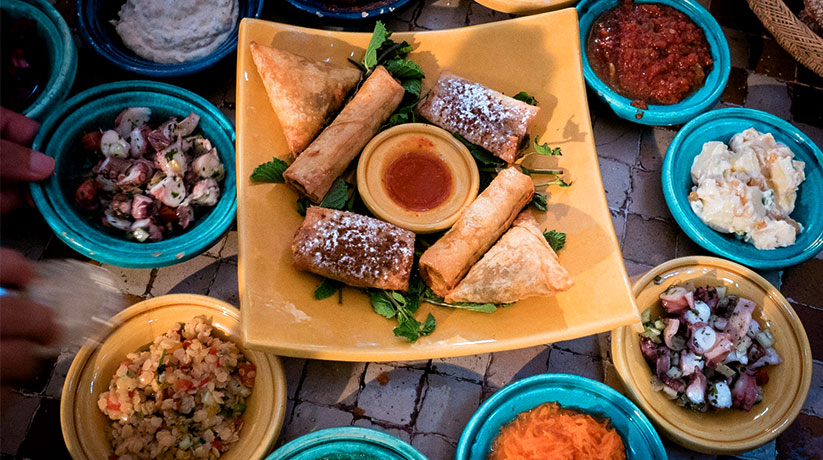
Discover the essence of Morocco through its cuisine, a blend of Arabic, Mediterranean, and African influences. Moroccan cuisine is a sensory delight, featuring aromatic spices like saffron, cumin, and cinnamon in signature dishes such as tagine (slow-cooked stews in conical clay pots), couscous (the national dish typically served on Fridays), and pastilla (a sweet-savoury pastry traditionally made with pigeon but now often with chicken).
Must-Try Traditional Dishes
When exploring Moroccan cuisine, there are several traditional dishes you shouldn’t miss. These include harira (a hearty soup made with tomatoes, lentils, and chickpeas), mechoui (slow-roasted lamb), and various kefta (meatballs) served with a side of fresh bread and vegetables.
Street Food Safety and Recommendations
Street food in Morocco offers delicious and affordable options, including freshly baked bread, grilled meats, and harira soup. To ensure a safe dining experience, choose busy stalls with high turnover and avoid uncooked foods or those that may have been washed in untreated water.
Mint Tea Culture
Mint tea is more than just a beverage in Morocco; it’s a symbol of hospitality and friendship. Traditionally prepared by pouring the tea from a height to create a frothy top, it’s served very sweet unless you specifically request otherwise. Embracing the mint tea culture is a significant part of the Moroccan experience.
Dining Etiquette
When dining in Moroccan homes or traditional restaurants, be prepared to eat with your right hand from communal dishes. It’s customary to wash your hands before and after meals and to accept second and third helpings, as refusing may be considered impolite.
Food Tours and Cooking Classes
Food tours and cooking classes have become increasingly popular in tourist centres like Marrakech and Fes. These experiences offer valuable insights into local ingredients, traditional preparation methods, and the cultural significance of Moroccan cuisine, allowing you to delve deeper into the world of Moroccan food.
Unique Experiences and Activities
As you explore Morocco, you’ll discover a wealth of unique experiences that blend tradition with adventure. The country’s rich cultural heritage and diverse landscapes offer countless opportunities for memorable experiences.
Exploring the Medinas and Souks
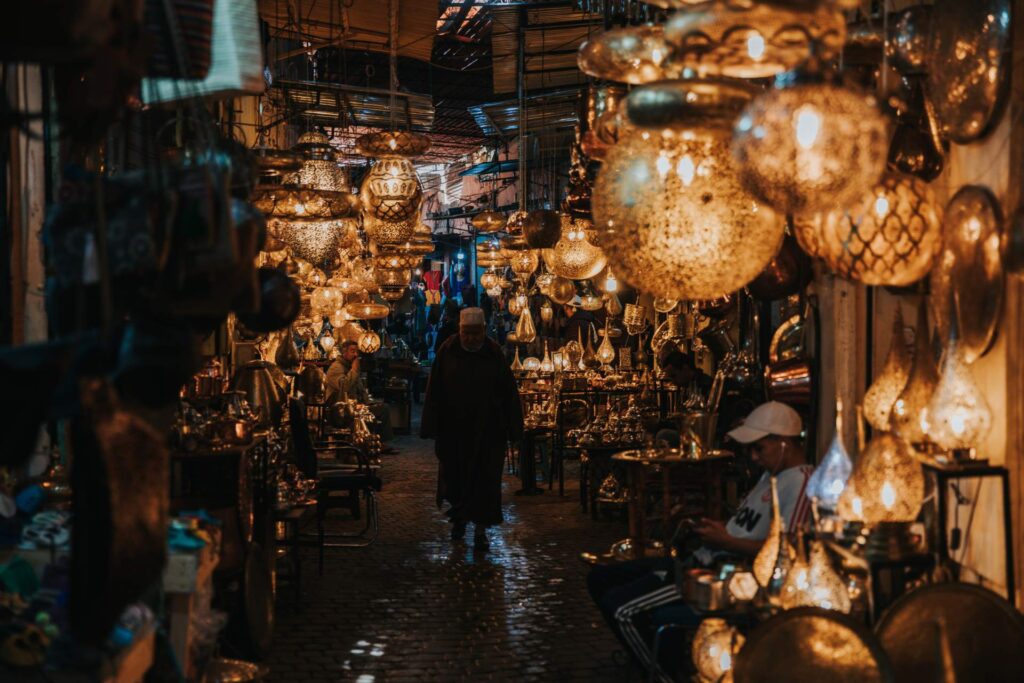
Getting lost in Morocco’s ancient medinas and colourful souks is an essential experience. Here, you can watch artisans craft traditional goods, haggle for souvenirs, and immerse yourself in the sensory overload of spices, textiles, and the bustling energy of local commerce.
Hammam Spa Experiences
Visiting a traditional hammam (public bath) offers insight into an important social and cleansing ritual in Moroccan culture. You’ll progress through rooms of increasing heat before being scrubbed with black soap and a kessa glove an experience that leaves you feeling thoroughly rejuvenated.
Hiking in the Atlas Mountains
The Atlas Mountains provide spectacular hiking opportunities for all levels, from gentle day trips from Marrakech to challenging multi-day treks up Mount Toubkal (North Africa’s highest peak). You can stay in Berber villages and experience local hospitality along the way.
Surfing and Beach Activities
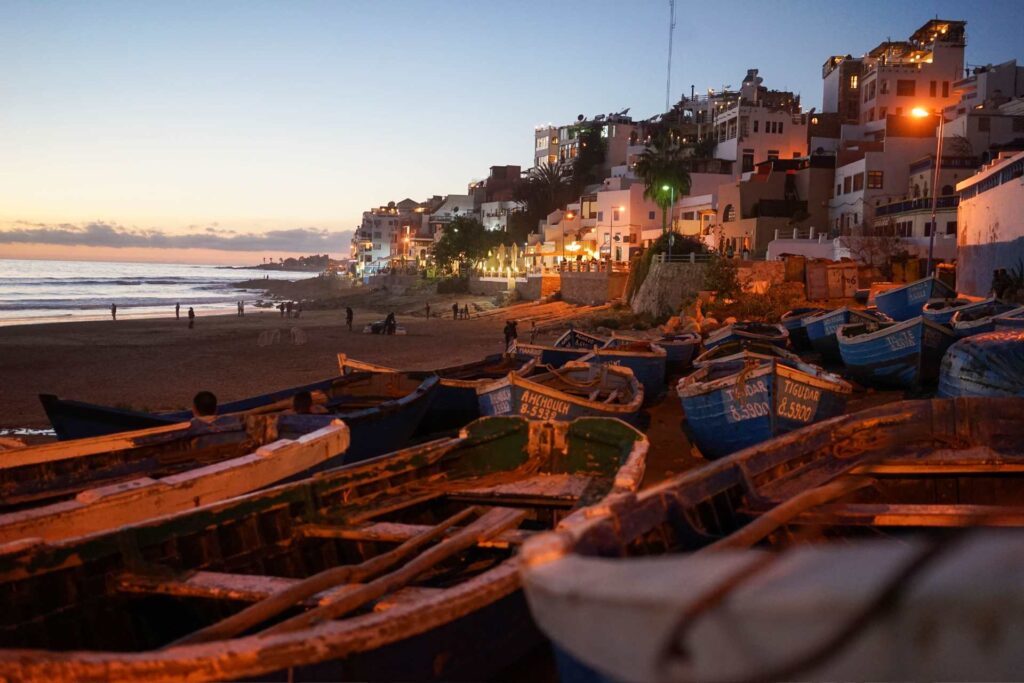
Morocco’s Atlantic coastline offers excellent surfing conditions, particularly around Taghazout and Essaouira, with waves suitable for beginners and experienced surfers alike. You can also enjoy kitesurfing, windsurfing, and relaxing on beautiful beaches.
Historical Sites and Ancient Ruins
History enthusiasts shouldn’t miss the remarkably preserved ancient Roman ruins of Volubilis near Meknes, a UNESCO World Heritage site dating back to the 3rd century BCE. This site offers a glimpse into Morocco’s diverse historical influences without the crowds found at similar sites elsewhere.
Shopping in Morocco: What to Buy
From the vibrant souks of Marrakech to the artisan workshops of Fes, Morocco offers a shopping experience like no other. You can expect to find a diverse array of goods that reflect the country’s rich cultural heritage.
Navigating the Souks
Morocco’s souks are labyrinthine markets that can be intimidating at first, but with a little preparation, you can navigate them with ease. Be prepared to explore narrow alleys and stalls selling everything from spices to handmade crafts. It’s a good idea to have an idea of what you’re looking for, but also be open to discovering unique items.
Haggling Tips and Etiquette
Haggling is an integral part of shopping in Morocco’s souks. Approach it as a friendly negotiation rather than a confrontation. Start with a lower offer than you’re willing to pay, and be prepared to walk away if the price isn’t right. This can be an effective way to reach a fair agreement.
Traditional Crafts and Souvenirs
Morocco is renowned for its traditional crafts, including hand-woven Berber carpets, colourful ceramics, and intricate metalwork. These items make memorable souvenirs and support local artisans. You can also find a lot of other unique items like argan oil products, spices, and ornate lanterns.
Shipping Items Home
For larger items like carpets and furniture, many shops can arrange shipping. Ensure you get detailed receipts and tracking information. Be aware that you may need to pay import duties when the items arrive in the UK. It’s also wise to be cautious of people in the souks who offer to guide you to “special” shops, as they often receive commissions that can increase prices.
Shopping in Morocco can be a truly rewarding experience, offering a chance to engage with local culture and bring home unique souvenirs. By understanding how to navigate the souks, haggle effectively, and choose meaningful items, you can make the most of your shopping adventure.
Safety Tips for UK Travellers
While Morocco is considered safe for visitors, there are certain precautions you should take to minimise risks. Being aware of your surroundings and understanding local customs can significantly enhance your safety during your trip.
General Safety Precautions
Petty crime, such as pickpocketing and scams targeting tourists, can occur in crowded areas like medinas and markets. To stay safe, keep your valuables secure, be cautious of overly friendly strangers, and trust your instincts. It’s also advisable to keep your hotel room door locked and use the hotel safe for valuable items.
Women Travelling in Morocco
Women travelling alone or with friends should be prepared for unwanted attention and potential harassment. Dressing modestly and avoiding walking alone at night can help minimise these experiences. It’s also a good idea to firmly but politely decline unwanted conversations.
LGBTQ+ Considerations
LGBTQ+ travellers should be aware that homosexuality is illegal in Morocco, with penalties of up to three years imprisonment. Discretion is essential; avoid public displays of affection and be cautious about discussing your sexual orientation with locals.
Emergency Contacts and Healthcare
In case of an emergency, dial 190 for the police or 150 for an ambulance. The UK embassy is located in Rabat, with a consulate in Marrakech. For healthcare needs, private clinics in major cities offer the best standards of care. Consider purchasing comprehensive travel insurance that covers medical evacuation.
Budgeting for Your Moroccan Adventure
Budgeting for your Moroccan holiday involves considering various costs, from accommodation to activities. Understanding these expenses will help you plan a memorable trip without breaking the bank. Morocco offers excellent value for money, with budget travellers able to get by on approximately 285 MAD per day.
Accommodation Costs
Accommodation in Morocco varies widely in price. You can find budget hostels with dorm beds for 50-110 MAD, while mid-range riads cost between 500-1,000 MAD per night. Luxury hotels can charge 1,500 MAD or more per night, with rates fluctuating during peak tourist periods.
Food and Drink Expenses
Eating at local establishments can be very affordable, with meals costing 35-55 MAD at casual restaurants and 15-30 MAD for street food. Western-style restaurants charge more, around 100-400 MAD.
Transportation Budget
Intercity trains cost between 50-200 MAD, depending on distance and class. Petit taxis start at 7 MAD plus 4 MAD per kilometre. Domestic flights begin at around 500 MAD one-way.
Activities and Entrance Fees
Entrance fees to major attractions typically range from 70-150 MAD. Guided tours can cost between 150-500 MAD, and special experiences like desert camps range from 300-1,500 MAD per night, offering various rates for different experiences.
Sample Itineraries for Different Travellers
Morocco’s rich history, vibrant culture, and stunning landscapes make it a fascinating destination, and with the right planning, you can experience it all. Whether you’re a seasoned traveller or just starting to plan your trip, Morocco has something to offer everyone.
7-Day Highlights Tour
A 7-day highlights tour is an excellent way to get a taste of Morocco’s diverse landscapes and cultures. You could begin in Casablanca with a visit to the iconic Hassan II Mosque, then travel to Fes for two nights to explore its ancient medina. From there, head to Merzouga for a night in the Sahara Desert, followed by a journey through the Dades Valley to Marrakech for three nights, providing a perfect introduction to Morocco’s varied attractions.
10-Day Cultural Immersion
For those seeking a deeper cultural immersion, a 10-day itinerary might be more suitable. This could include visiting Chefchaouen’s blue streets, exploring Volubilis’s Roman ruins, spending more time in Fes to visit artisan workshops, and taking a cooking class in Marrakech. This allows for a more relaxed pace and meaningful interactions with locals, giving you a richer understanding of Moroccan culture.
14-Day Complete Morocco Experience
A comprehensive 14-day Morocco experience could include all the highlights plus additional activities such as coastal time in Essaouira, hiking in the Atlas Mountains, exploring the less-visited southern oases, and perhaps ending with relaxation in Agadir. This itinerary is the perfect way to experience Morocco’s full diversity without feeling rushed, allowing you to truly soak in the country’s beauty and culture.
When planning your trip to Morocco, consider the travel time between cities and allow for flexibility in your schedule. Joining a small group tour can be an excellent way to get oriented with the country’s customs and navigate logistics, while independent travellers will appreciate the freedom to linger in favourite locations.
Conclusion: Making the Most of Your Moroccan Journey
As you explore Morocco, you’ll find that this captivating North African country offers a unique blend of traditional and modern experiences. Whether you’re wandering through the maze-like medinas, sipping mint tea with locals, or watching the sunset over the Sahara dunes, Morocco rewards travellers who approach the country with an open mind and respectful attitude.
Your budget will significantly influence your experience, but Morocco caters to all types of travellers. You can get by on 285 MAD per day as a backpacker or spend 1,120+ MAD per day on exclusive riads and private tours. Planning your trip to Morocco involves balancing the desire to see everything with the reality that slower travel often leads to more meaningful experiences.
To make the most of your journey, consider focusing on fewer city destinations rather than trying to cover too much ground. Learn a few Arabic or French phrases, familiarise yourself with local customs, and pack appropriate clothing for the climate and culture. By doing so, you’ll be well-prepared for an unforgettable experience in this captivating place, making your trip to Morocco a truly memorable part of your travels.