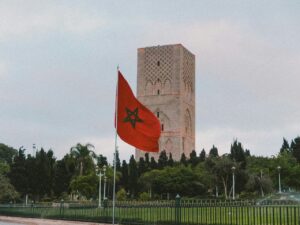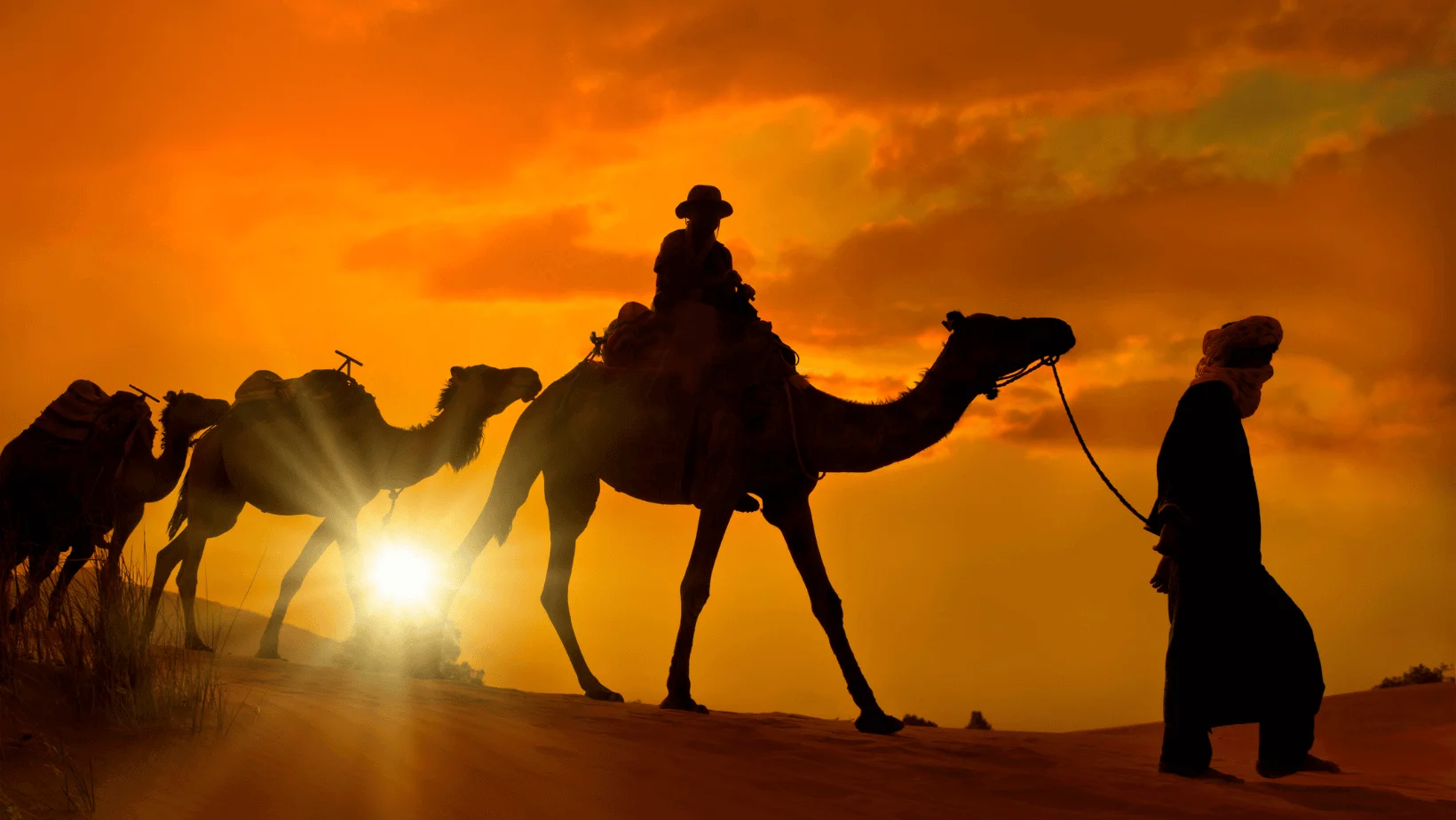
Are you wondering how to make the most of your trip to Morocco in a limited time? Morocco is a land of diverse landscapes, from bustling cities filled with vibrant markets to majestic golden dunes that stretch as far as the eye can see. To experience the best of this enchanting country, careful planning is essential.
You’ll want to see the vibrant souks of Marrakech, ride a camel through golden sand dunes, or explore the ancient medinas of Fes. With so many places to visit, it’s crucial to plan your day-to-day itinerary thoughtfully to make the most of your trip. This guide will help you navigate the best time to visit, transportation options, and accommodation choices to create a memorable journey.
Discovering Best Morocco Itinerary
Morocco, a country of stark contrasts, beckons travellers with its rich tapestry of cultures and landscapes. As you explore this fascinating land, you’ll discover a place where tradition and modernity coexist in a vibrant dance.
The allure of Morocco lies in its ability to offer a unique way to experience North African culture. With its blend of Arab, Berber, and European influences, Morocco captivates visitors, providing a distinct way to immerse yourself in the local culture.
The Allure of Morocco
Morocco’s diverse geography is a significant part of its appeal, ranging from the coastal city of Essaouira to the snow-capped Atlas Mountains and the vast Sahara Desert. This varied landscape makes Morocco a place of endless discovery, offering numerous opportunities to explore and experience the natural beauty of the region.
Throughout history, Morocco has been shaped by various civilisations, and you’ll find evidence of this rich past in the architecture, cuisine, and traditions that have evolved over times. Many travellers visit Morocco as a couple or with family, finding it an accessible way to experience Islamic culture while enjoying the warm hospitality for which Moroccans are known.
The contrast between ancient medinas and modern city districts provides a fascinating glimpse into a country balancing tradition and progress. This blend offers both excitement and rest, allowing visitors to reflect on their experiences in a serene atmosphere.
As you wander through the chaotic streets of the medinas, you’ll be struck by the juxtaposition of old and new, where traditional souks stand alongside modern cafes. This blend of old and new is a hallmark of Morocco’s unique character, making it a compelling destination for travellers.
Morocco’s rich cultural heritage is also reflected in its cuisine, which is a delicious blend of Arab, Berber, and European flavours. Be sure to try some of the local specialties during your visit, and enjoy the warm hospitality that Moroccans are renowned for.
Choosing the Best Time for Your Morocco Trip
To make the most of your Morocco adventure, understanding the country’s seasonal weather patterns is crucial. Morocco is considered a year-round destination, but the climate varies significantly across different regions.
You might be wondering, what’s the best time to visit? The answer largely depends on which part of the country you plan to explore. The coastal regions, mountains, and desert areas each have their unique climate conditions.
Seasonal Weather Patterns
The spring season, from March to May, is generally considered an ideal time for a Morocco trip. The temperatures are pleasant, making it perfect for day trips and sightseeing without the extreme heat of summer.
During the day, you can enjoy exploring the vibrant cities, historic sites, and natural landscapes. In contrast, summer can be unbearably hot, particularly in inland cities like Marrakech and Fes, where temperatures regularly exceed 40°C during the day, making midday exploration challenging.
- Spring (March to May) and autumn (September to November) are ideal times, offering pleasant temperatures for day trips.
- Summer (June to August) can be very hot, especially in inland cities.
- Winter (December to February) brings cooler temperatures and can be a good time to visit desert regions.
- Local people often recommend visiting coastal spots like Essaouira during summer for a more tolerable climate.
- Some mountain passes might be inaccessible during winter due to snow.
When planning your trip, consider the activities you want to do and the regions you wish to visit. For instance, if you’re planning to hike in the Atlas Mountains, the hour you start your hike can significantly impact your experience due to the heat.
Visiting Morocco during the right time ensures a more enjoyable experience, whether you’re exploring a new place, relaxing at a coastal spot, or immersing yourself in the local culture.
How Many Days Do You Need for the Best Morocco Itinerary?
Morocco’s vastness and diversity make it essential to plan your trip duration meticulously. The country’s rich history, vibrant culture, and varied landscapes mean that travellers often find themselves torn between exploring the bustling cities, relaxing on the coast, or trekking through the mountains.
When discussing the length of my trip with a local in Chefchaouen, he expressed that even 10 days wasn’t enough to scratch the surface of Morocco’s diversity. This sentiment is echoed by many travellers who find that the lengthy distances between major spots of interest make it challenging to condense everything into a short space of time.
One Week in Morocco: What’s Realistic
A 7-day trip to Morocco allows you to experience one region in depth or briefly visit 2-3 major cities. However, you’ll likely miss out on a lot of what the country has to offer. If you’re constrained by time, consider focusing on either northern Morocco, with its charming towns like Tangier and Chefchaouen, and the historic city of Fes, or southern Morocco, with Marrakech, Essaouira, and the Atlas Mountains.
Many travellers find that 10-14 days provides the sweet spot for exploring Morocco without feeling rushed. This duration gives you enough time to visit imperial cities, venture into the Atlas Mountains, and experience the Sahara Desert.
When planning your Morocco itinerary, remember that travel between destinations can take significant time, especially if you’re using public transportation. So, factor these travel days into your planning to make the most of your trip.
In conclusion, while there’s no one-size-fits-all answer to the ideal number of days for a Morocco trip, being mindful of the country’s size and your travel style can help you plan a fulfilling experience. Whether you have a week or two weeks, prioritizing your interests and pacing your journey will ensure that you make the most of your time in this incredible country.
Getting Around Morocco: Transportation Options
Morocco’s transportation network is well-developed, making it easy for you to get around. Whether you’re heading to the bustling streets of Marrakech, the coastal charm of Essaouira, or the desert landscapes of Merzouga, there’s a convenient way to travel.
Trains in Morocco
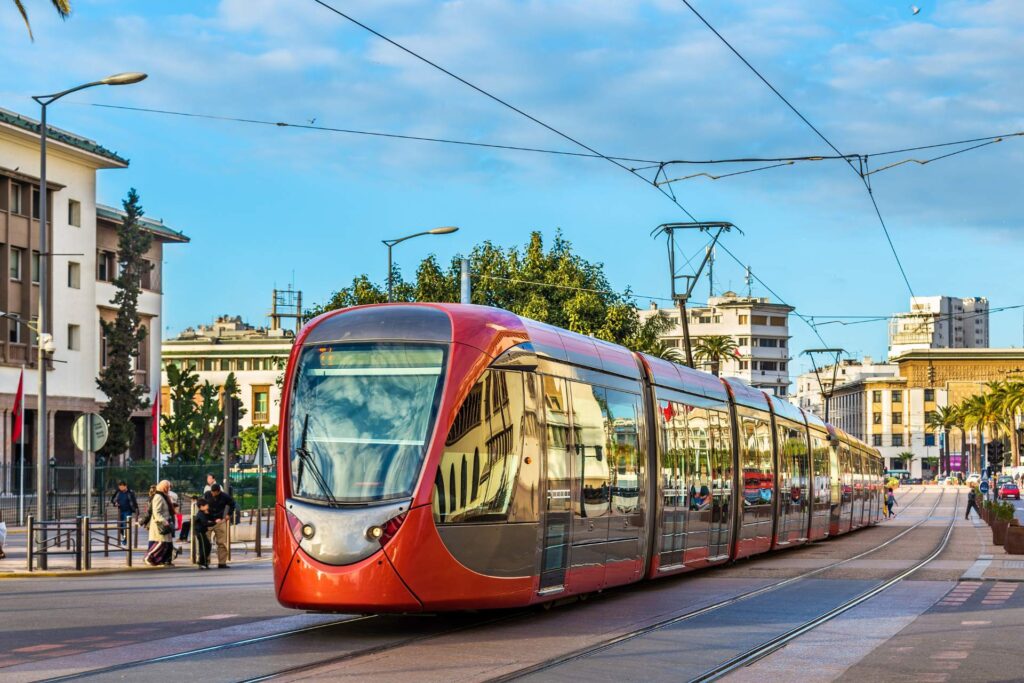
Train travel in Morocco is fast, efficient, and safe. The national railway company, ONCF, operates high-speed trains connecting major cities like Marrakech, Casablanca, Rabat, and Fes. You can enjoy a comfortable journey while taking in the scenic views of the Moroccan countryside. For instance, the train journey from Marrakech to Casablanca is approximately 3 hours, making it a convenient way to travel between these two significant cities.
Trains are a reliable mode of transportation, with scheduled departures throughout the day. You can check the times and book your tickets in advance through the ONCF website or at train stations. This mode of transport is particularly suitable for those who prefer not to drive and want to avoid the hassle of navigating through unfamiliar roads.
Benefits of Train Travel
One of the significant advantages of train travel is the comfort it offers. Moroccan trains are equipped with air-conditioned carriages and comfortable seating, making long journeys more enjoyable. Moreover, trains usually stop at central stations, making it easy to get to your final destination within the city.
Apart from trains, Morocco offers other transportation options to suit different needs and preferences. For those who prefer more flexibility, renting a car is a viable option. This allows you to explore Morocco at your own pace, stopping at scenic spots and taking detours as you wish.
Bus Services
The bus network in Morocco is extensive, covering not just major cities but also smaller towns and villages. Companies like CTM and Supratours offer reliable bus services with scheduled stop times, making it a convenient option for budget travelers. Buses are generally comfortable, with many services offering air-conditioned vehicles.
For those planning to visit remote areas, such as the Sahara Desert or the Atlas Mountains, private tour operators offer a hassle-free solution. These tours often include transportation in 4×4 vehicles or vans, along with knowledgeable guides who can enhance your travel experience.
Taxis and Other Options
Taxis are another common mode of transportation in Morocco, available in two forms: petit taxis for travel within city limits and grand taxis for intercity travel. Grand taxis are particularly useful for shorter intercity journeys when you don’t want to wait for bus schedules. They operate on a shared basis, making them a cost-effective way to travel to nearby towns.
Renting a car gives you the freedom to explore Morocco’s diverse landscapes without being tied to public transport schedules. While driving in cities can be chaotic, the main highways are generally in good condition, making long-distance travel by road relatively straightforward.
In conclusion, Morocco’s diverse transportation options make it relatively easy to get around, whether you prefer the convenience of trains, the flexibility of car rentals, or the affordability of buses and taxis. By choosing the right mode of transport for your needs, you can enjoy a smooth and enjoyable journey throughout this fascinating country.
Where to Stay: Accommodation Options in Morocco
The right place to stay in Morocco can significantly enhance your travel experience. Morocco offers a diverse range of accommodation options, catering to different tastes and budgets.
You can choose from traditional riads, modern hotels, and even desert camps, each providing a unique experience. When deciding where to stay, consider the location, amenities, and the type of experience you’re looking for.
Traditional Riads: The Authentic Experience
Traditional riads are the most authentic place to stay in Morocco, offering a unique experience of Moroccan hospitality. These riads typically feature central courtyards, ornate tilework, and an intimate atmosphere, making you feel like you’re in a different world.
Most riads are located in the heart of the medina in each city, putting you within walking distance of major attractions. They provide a peaceful retreat from the bustling streets outside, allowing you to relax and unwind.
Benefits of Staying in a Riad:
- Unique experience of Moroccan hospitality
- Central courtyards and ornate tilework
- Intimate atmosphere
- Located in the heart of the medina
- Peaceful retreat from the city
Our trip started off with a stay at the beautiful Riad Ksar Al Amal, which was truly exceptional. Everyone there was so incredibly kind and helpful; the service was impeccable. The breakfast was abundant and fresh, and the decor was awe-inspiring.
Nightly tea by the fire was a highlight, creating a core memory that will last for years to come. Many riads include a delicious Moroccan breakfast in their rates, typically featuring fresh bread, pastries, yogurt, fruit, and mint tea, often served on a rooftop terrace with spectacular views.
For a different experience, consider spending a night in a desert camp when visiting the Sahara, or booking a kasbah hotel if you’re exploring the Atlas Mountains region.
Tips for Choosing a Riad
When selecting a riad, consider the location, amenities, and reviews. Look for riads that are centrally located and have good reviews regarding their service and cleanliness.
Also, consider what amenities are important to you, such as a rooftop terrace or a specific type of breakfast.
The Ultimate 10-Day Morocco Itinerary
Morocco, with its diverse landscapes and rich heritage, is a traveler’s paradise, and a 10-day itinerary is the perfect way to experience it. This journey is designed to give you a comprehensive experience of Morocco’s highlights while maintaining a comfortable pace that allows for both guided exploration and independent discovery.
Days 1-4: Marrakech and Surroundings
Your adventure begins in Marrakech, a city that embodies the essence of Morocco. For the first four days of your trip, Marrakech and its surroundings will be your primary focus, giving you ample time to explore the vibrant medina, visit key attractions, and adjust to the rhythm of Moroccan life.
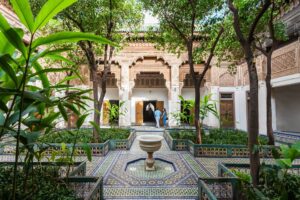
On Day 1, settle into your riad and start your journey by visiting a nearby site such as the Bahia Palace. This allows you to ease into the local culture and get a feel for the area. The next day, spend your morning wandering through the souks in a clockwise direction around the Medina. Be sure to visit Jemaa el Fnaa, Koutoubia, and the Souk Semmarine. Don’t be afraid to get lost; you’re not in a hurry, and it’s all part of the experience. Downloading offline Google Maps can be helpful. In the afternoon, visit another site like Le Jardin Secret.
Day 3 is all about exploring the historical and cultural gems of Marrakech. Start with the Ibn Youssef School, followed by a visit to Dar El Bacha. After a busy morning, relax at a local café to rest your feet. On Day 4, with the time you have left, choose which sites are most important to visit. You might be able to fit in a couple more attractions or spend your time wandering through the Mellah from Place des Ferblantiers or relaxing at your riad.
Throughout these initial days of your trip, your riad in Marrakech serves as a comfortable base, allowing you to retreat from the bustling city when needed. It’s essential to make sure you spend at least one day exploring the souks with a local guide who can help navigate the labyrinthine streets and explain the craftsmanship behind the products you’ll see.
This portion of the itinerary is designed to balance structured sightseeing with more relaxed exploration, giving you the freedom to discover hidden gems at your own pace while ensuring you don’t miss the must-see attractions. As you continue your journey, you’ll find that this blend of guided and independent exploration sets the tone for a memorable trip.
Marrakech: The Heart of Your Morocco Itinerary
Stepping into Marrakech is like entering a different world, one that is full of colour, sound, and the scent of exotic spices. This vibrant city is the cultural heart of Morocco, where traditional and modern influences blend seamlessly, making it an essential stop on any Morocco itinerary.
Must-Visit Attractions in Marrakech
Marrakech is a city that will captivate your senses, with its stunning architecture, bustling souks, and historic landmarks. Here are some of the top attractions you shouldn’t miss during your visit.
Jemaa el-Fnaa and the Souks
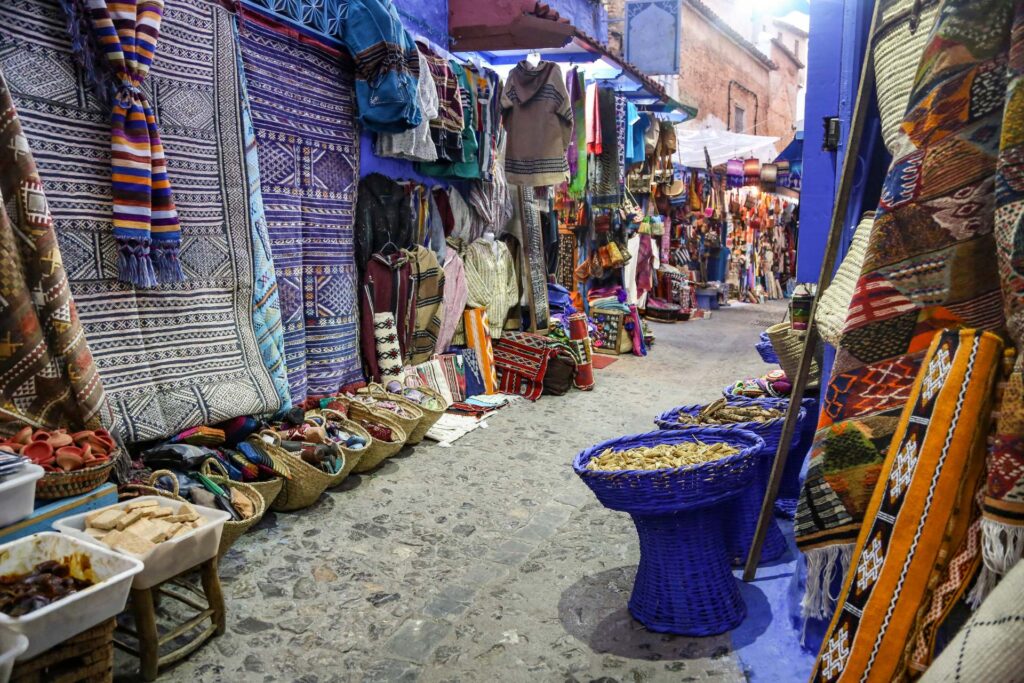
The famous Jemaa el-Fnaa square transforms throughout the day, from a relatively calm place in the morning to a bustling epicentre of food stalls, performers, and vendors by night, offering a different experience depending on when you visit. Exploring the labyrinthine souks surrounding the main square is a highlight for many visitors; take time to walk around and get pleasantly lost among the countless stalls selling everything from spices and leather goods to intricate metalwork.
Bahia Palace and Badi Palace
Bahia Palace and Badi Palace represent two different eras of Moroccan architecture. Bahia Palace showcases the ornate beauty of 19th-century craftsmanship with its detailed tilework and painted ceilings. Badi Palace, on the other hand, offers a glimpse into the grandeur of 16th-century royal life, despite being largely in ruins today. Both palaces are a must-visit when in Marrakech, providing a unique insight into the city’s rich history.
Majorelle Garden and Museums
The Majorelle Garden, once owned by Yves Saint Laurent, provides a peaceful retreat from the bustling medina with its vibrant blue buildings, exotic plant collection, and the adjacent Berber Museum, which many visitors highly recommend for its cultural insights. Spending a day exploring the Majorelle Garden is a great way to experience the natural beauty of Marrakech.
In conclusion, Marrakech is a city that has something to offer for everyone. Whether you’re interested in history, culture, or simply enjoying the vibrant atmosphere, Marrakech is a place that will leave a lasting impression on you. With its rich history, stunning architecture, and bustling souks, Marrakech is a must-visit destination on your Morocco itinerary.

The Sahara Desert Experience: A Must on Your Morocco Itinerary
Embarking on a Sahara Desert adventure is a highlight of any Morocco trip, offering an unforgettable experience amidst the majestic dunes. The Sahara Desert is a vast and breathtaking destination that promises an adventure like no other, with its golden sands and star-filled skies.
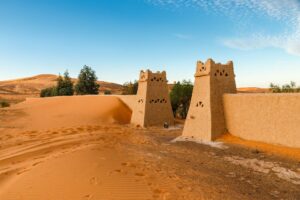
When planning your desert adventure, you’ll need to choose between Merzouga, known for the iconic Erg Chebbi dunes, and Zagora, which offers a less touristy but smaller dune experience. Merzouga is generally the more popular spot for first-time visitors, despite requiring more travel time.
Merzouga vs Zagora: Choosing Your Desert Experience
The choice between Merzouga and Zagora depends on your preferences and priorities. If you’re looking for a more authentic and less crowded experience, Zagora might be the better choice. However, if you’re drawn to the iconic Erg Chebbi dunes, Merzouga is the way to go.
A camel ride into the desert is a quintessential experience, allowing you to traverse the sandy dunes like a true nomad. However, it’s worth noting that these rides can be uncomfortable at times, and the welfare of the camels varies between tour operators. Researching companies with good animal treatment practices is essential.
Most desert tours include an overnight stay in a Berber-style camp, a traditional dinner, music around the campfire, and the opportunity to witness both sunset and sunrise over the dunes. These moments are truly magical and justify the journey.
Working with reputable guides is essential for a positive Sahara experience. They not only ensure your safety and comfort but also enrich your understanding of desert life and the nomadic cultures that have thrived in this harsh environment for centuries.
As you spend a night under the stars in a traditional desert camp, you’ll have the chance to relax and enjoy the serene atmosphere of the Sahara. The experience is made even more special by the warmth of the Berber hospitality and the delicious local cuisine.
Whether you choose Merzouga or Zagora, your Sahara Desert experience is sure to be an unforgettable highlight of your Morocco itinerary. With its breathtaking landscapes, rich cultural heritage, and warm hospitality, the Sahara Desert is a destination that will leave you with lifelong memories.
Exploring the Atlas Mountains
Morocco’s Atlas Mountains are a treasure trove of natural wonders, traditional Berber villages, and breathtaking vistas, making them an unmissable part of your itinerary.
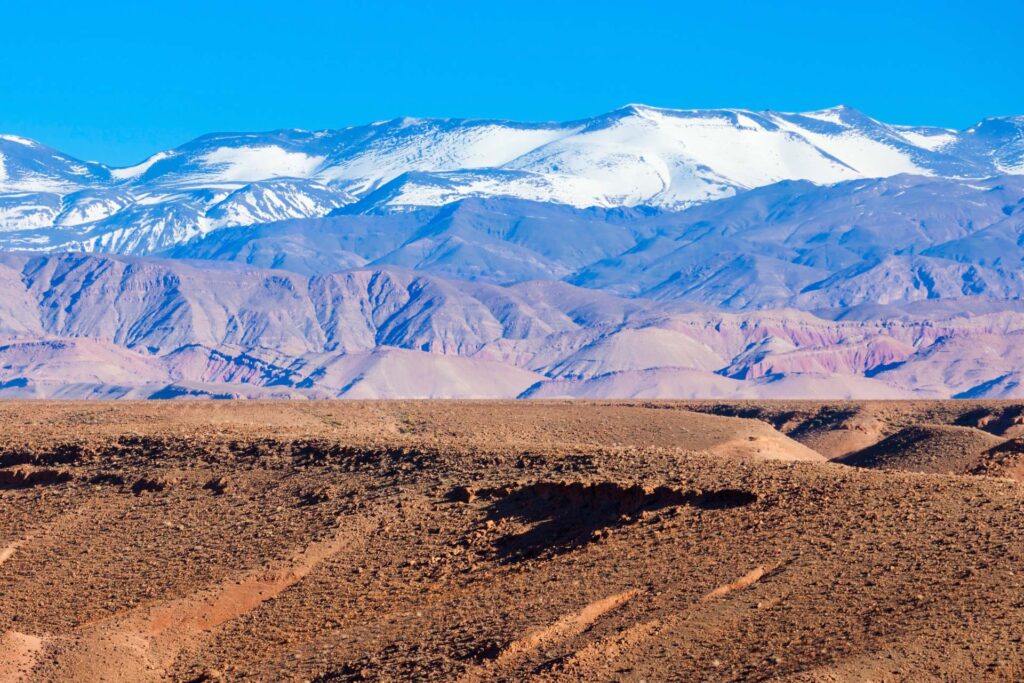
The Atlas Mountains stretch across Morocco, offering a dramatic contrast to the desert and city experiences with their verdant valleys, traditional Berber villages, and snow-capped peaks in winter. This mountain range is not just a geographical feature; it’s a cultural and natural haven that awaits exploration.
Hiking and Outdoor Activities
For those who love the outdoors, the Atlas Mountains provide a plethora of hiking and trekking opportunities. From moderate walks that are suitable for most fitness levels to more challenging treks up Mount Toubkal, North Africa’s highest peak, there’s something for every adventurer.
Day tours from Marrakech to the Atlas Mountains are a popular way to experience this region. These tours typically include visits to Berber villages, opportunities to walk around local markets, and stops at panoramic viewpoints showcasing the breathtaking mountain vistas.
- The Ourika Valley is one of the most accessible and beautiful spots in the Atlas Mountains, featuring waterfalls, riverside cafes, and the chance to visit authentic Berber homes where you can learn about traditional mountain life.
- No matter which tour or route you choose, the Atlas Mountains offer a refreshing climate change from the heat of Marrakech, especially during summer months when the cooler mountain air provides welcome relief.
- For more adventurous travelers, multi-day hiking tours provide a deeper experience of the mountains.
As you plan your day trip or multi-day tour, consider the views you wish to enjoy. The Atlas Mountains are a tourist’s paradise, with numerous spots to visit and explore. Whether you’re looking for a leisurely day out or an adventurous hike, the Atlas Mountains have something to offer everyone.
Fes: The Cultural Capital on Your Morocco Itinerary
Morocco’s cultural capital, Fes, is a treasure trove of historical landmarks, vibrant markets, and traditional craftsmanship. As you explore this ancient city, you’ll discover a medina that’s not only a UNESCO World Heritage Site but also a living, breathing testament to Morocco’s rich history.
Navigating the Ancient Medina
The maze-like medina of Fez has over 9,000 streets, making it easy to get lost in its labyrinthine alleys. To avoid this, consider joining a guided tour of the medina, which will help you navigate its complex streets while providing valuable historical insights.
Your guide will pick you up from your accommodation and lead you through the medina, pointing out craftspeople at work creating traditional Moroccan art pieces. You’ll visit the Nejjarine Museum of Wooden Arts and Crafts, and marvel at the impressive architecture of Bou Inania Madrasa.
Fes is widely regarded as Morocco’s cultural and spiritual capital, home to the world’s oldest continuously operating university and a city that’s steeped in history. The ancient medina of Fes el-Bali is a place where medieval life seems to continue unchanged in many ways, with over 9,000 narrow streets and alleys making it the world’s largest car-free urban area.
Hiring a local guide is highly recommended for at least your first day in Fes, as they’ll help you navigate the labyrinthine streets while providing historical context and ensuring you don’t miss hidden gems. You’ll find that Fes’s markets are still largely authentic places where locals shop, and you’ll discover traditional craftspeople working in the same way their ancestors did centuries ago.
Many travelers include Fes in their Morocco itinerary specifically to witness the famous tanneries, where leather has been dyed using the same methods since medieval times. The process is fascinating to observe, despite the strong odors that accompany it. As you explore the souks, you’ll find a lot to take in, from traditional crafts to local cuisine.
In Fes, you’ll experience a lot of the local culture, from the vibrant markets to the historical landmarks. This city is a must-visit destination on your Morocco journey, offering a unique blend of tradition and history.
Coastal Morocco: Essaouira and Beyond
The Atlantic coastline of Morocco presents a refreshing contrast to the desert landscapes and imperial cities. As you explore this region, you’ll discover charming coastal towns that offer a unique blend of relaxation and cultural experiences.
Essaouira: The Windy City
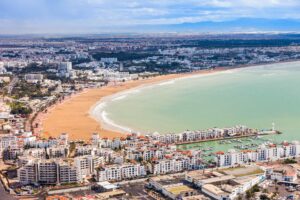
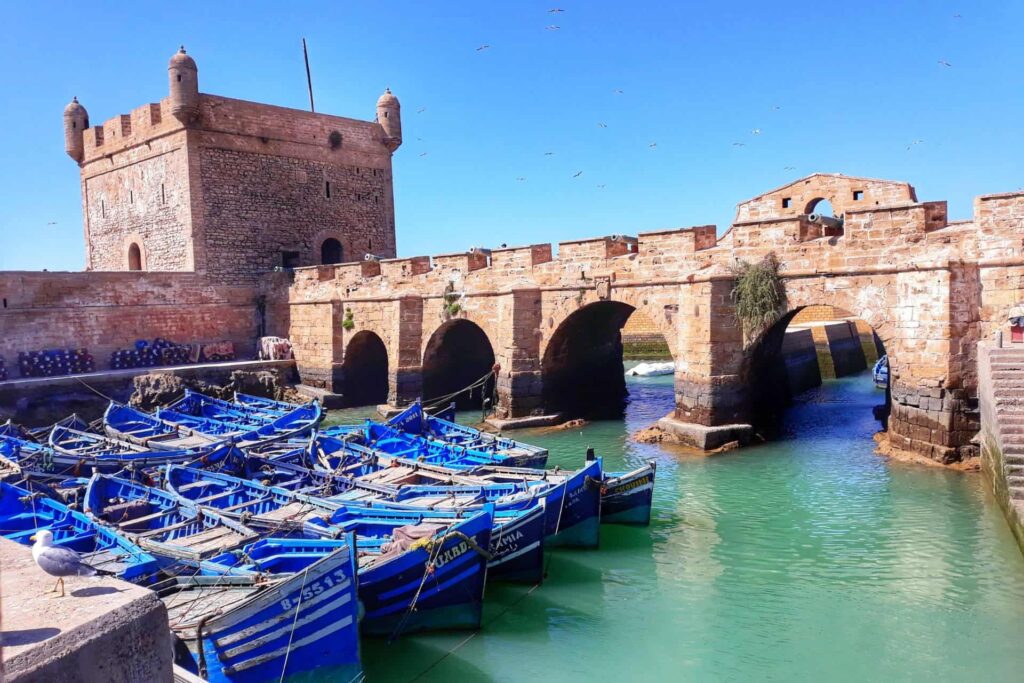
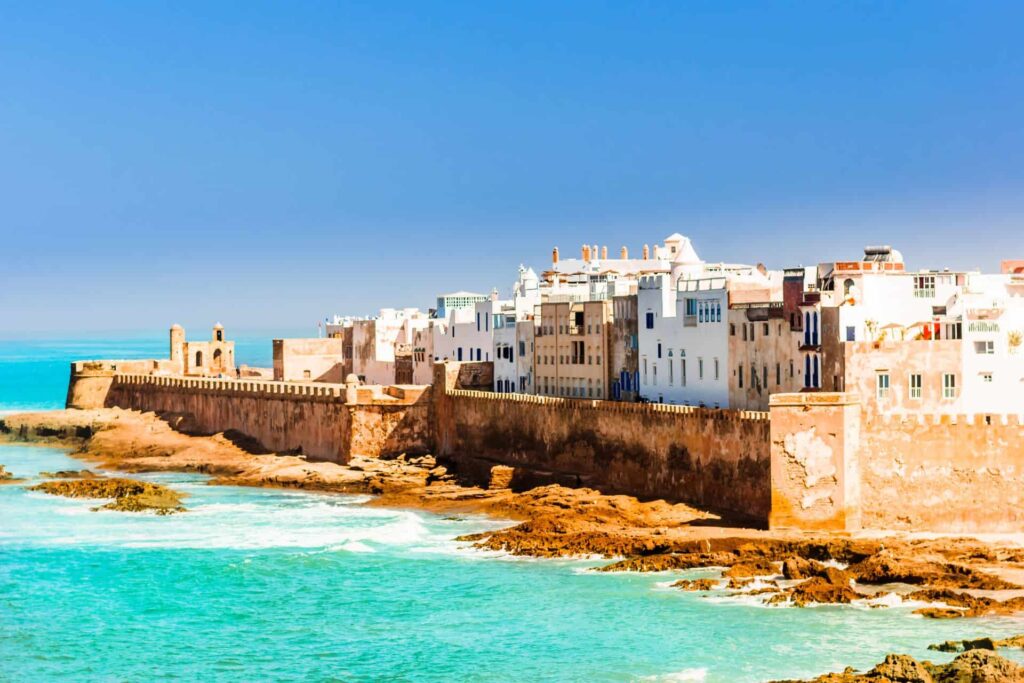
Essaouira stands out as a favourite coastal destination due to its laid-back atmosphere, artistic community, and fresh seafood. Often called “The Windy City,” Essaouira’s consistent breezes make it a popular spot for windsurfing and kiteboarding, while also providing relief from the heat during summer months.
The fortified medina of Essaouira, with its blue and white color scheme, offers a more relaxed shopping experience than other Moroccan cities. You can spend a pleasant day browsing for souvenirs without the intense pressure sometimes felt elsewhere.
Casablanca and Rabat
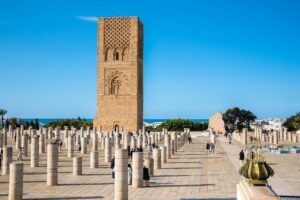
Casablanca, Morocco’s largest city, presents a more modern face of the country with its cosmopolitan atmosphere. Visitors typically spend just a day or two here, primarily to see the magnificent Hassan II Mosque with its breathtaking ocean views.
Rabat, the capital city, is another significant coastal destination, known for its historic landmarks and cultural significance.
Beach Resorts and Activities
The coastal bus routes connect most major seaside towns, making it easy to hop between different coastal destinations if you’re looking for a way to rest and recharge after the sensory intensity of Morocco’s imperial cities.
From relaxing on the beach to engaging in water sports, the coastal towns of Morocco offer a variety of activities to suit different preferences. You can enjoy a leisurely day at the beach, try your hand at windsurfing, or simply take in the views.
In summary, Morocco’s coastal region is a must-visit, with Essaouira, Casablanca, and Rabat offering a mix of relaxation, culture, and modernity. Whether you’re looking to unwind or explore new experiences, the coastal towns have something to offer.
Alternative Morocco Itineraries
With so much to offer, Morocco can be experienced in multiple ways, depending on your trip duration and interests. Whether you’re looking for a relaxing getaway or an action-packed adventure, there’s a Morocco itinerary to suit your needs.
While a 10-day itinerary allows for a comprehensive experience, alternative Morocco itineraries can be tailored to different time constraints, interests, and travel styles. For instance, a 7-day express itinerary is ideal for those with limited time.
7-Day Express Itinerary
A 7-day Morocco tour typically focuses on either northern Morocco (Tangier, Chefchaouen, Fes) or southern Morocco (Marrakech, Essaouira, Atlas Mountains). This is because attempting to cover too many places in a short time results in spending more hours traveling than experiencing the local culture.
For travelers with two weeks or more, comprehensive itineraries can include lesser-visited regions such as the Rif Mountains, the Middle Atlas, or coastal towns like Asilah. This allows for a deeper exploration of Morocco’s diverse landscapes and cultures.
Themed Itineraries
Themed itineraries are increasingly popular, with options focusing on photography, culinary experiences, women’s cooperatives and female artisans, or adventure activities like hiking and desert camping. Many tour companies offer specialized itineraries catering to specific interests.
Independent travelers can also create their own routes using public transportation or rental cars, depending on how comfortable they feel navigating a foreign country. With a little planning, you can have a unique and memorable Morocco trip.
Practical Tips for Your Morocco Trip
To make the most of your time in Morocco, understanding the local customs, transportation, and necessary documents is crucial. As you prepare for your adventure, several practical aspects require consideration to ensure a smooth and enjoyable journey.
Visa Requirements and Entry
Before embarking on your Morocco trip,make sureto check the visa requirements based on your nationality. Citizens of many countries, including the UK, EU, US, Canada, and Australia, can enter Morocco visa-free for up to 90 days. Upon arrival, you may be required to show a return ticket. For those who need a visa, the process can be initiated online at the Moroccan Consulate. It’s also worth noting that a 90-day visa on arrival is available at the airport, free of charge, for eligible travelers. Be cautious of scams by only dealing with official authorities for visa-related matters.
Understanding the visa requirements is just the beginning. When you arrive in Morocco, you’ll need to exchange your currency or withdraw cash from ATMs. Currency exchange is relatively straightforward, but it’s advisable to use official banks rather than street dealers or border crossings to avoid potential scams. ATMs are widely available in cities and tourist areas, making it convenient to access your money when needed.
While Morocco is generally considered safe for travelers, being aware of common scams can save you a lot of trouble. Unofficial guides, overcharging by taxi drivers, and aggressive sales tactics in carpet shops are some of the issues you might encounter. A firm but polite “no thank you” and continuing on your way will usually stop unwanted attention. It’s also a good idea to stay informed about local conditions and follow advice from your government’s travel advisory website.
Dressing Modestly and Respecting Local Customs
Dressing modestly, especially for women travelers, is not only a sign of respect for local customs but also a practical way to avoid unwanted attention. Covering your shoulders and knees is advisable in most places. Loose, comfortable clothing is not only more respectful but also more suitable for Morocco’s climate. By dressing appropriately, you show respect for the country’s culture and people.
Communicating with Locals
Learning a few basic Arabic or French phrases can go a long way in making your interactions with local people more pleasant. Simple greetings and expressions of gratitude, such as “hello” (Marhaba) and “thank you” (Shukran), are appreciated by the locals. This effort shows respect for their culture and can enhance your overall experience in Morocco.
As you travel through Morocco, you’ll encounter a diverse range of cultures, landscapes, and experiences. By being prepared and understanding the local customs, you can make the most of your trip. Whether you’re exploring the bustling streets of Marrakech, relaxing in the coastal town of Essaouira, or venturing into the Sahara Desert, Morocco has a lot to offer. With these practical tips in mind, you’re ready to embark on your Moroccan adventure.
What to Pack for Your Morocco Adventure
To make the most of your Morocco trip, it’s essential to pack wisely, considering the country’s varied environments. Morocco is a Muslim country, and being respectful of the local culture and sensibilities is crucial when traveling around. This means, particularly for women, avoiding shorts, crop tops, and inappropriate attire in most settings, such as religious and historical buildings, rural areas, etc.
When deciding what to pack, it’s vital to consider the time of day and the activities you have planned. For day exploration, lightweight, modest clothing made from natural fabrics like cotton and linen is ideal. These materials will help keep you cool in the hot Moroccan sun. For women, packing long skirts or trousers and tops that cover the shoulders is advisable. A scarf can be used multiple times for head covering when entering religious sites or for sun protection.
Essential Items for City Exploration
Comfortable walking shoes are among the most important things to pack, as you’ll likely be exploring medinas and archaeological sites for hours each day. Additionally, consider bringing closed shoes for your camel ride to protect your feet from sand and camel hair. Make sure to pack clothing that can be layered for cooler night temperatures, especially if your trip includes desert camping.
A small first aid kit with personal medications, stomach remedies, and basic pain relievers is advisable. It’s also a good idea to pack a high-SPF sunscreen, sunglasses, and a hat to protect against the intense Moroccan sun. Other essential items include a power adapter (Morocco uses type C/E plugs), a portable battery pack for long day trips, and a small daypack that you can keep close to your body in crowded areas to deter pickpockets.
For women, it’s a good idea to always have a light jacket or a large scarf with you to ensure you’re ready for any occasion. This will not only help you fit in with local customs but also provide an extra layer of comfort during your travels. At times, the sun can be intense, and having a scarf or hat can make a significant difference.
Packing appropriately for your Morocco adventure will enhance your comfort and enjoyment. By considering the local culture and the activities you have planned, you can ensure a smooth and enjoyable trip. Whether you’re exploring the bustling streets of Marrakech or taking a camel ride through the desert, being prepared will make all the difference.
Moroccan Cuisine: A Culinary Journey
As you explore Morocco, you’ll discover a world of culinary delights that reflect the country’s diverse cultural heritage. Moroccan cuisine is a rich and flavorful blend of Berber, Arabic, Andalusian, and Mediterranean influences, creating unique and memorable dining experiences.
One of the highlights of Moroccan cuisine is its traditional breakfast, which typically includes fresh bread, olive oil, honey, jams, and eggs, often accompanied by mint tea. Many riads and hotels serve elaborate breakfast spreads that’ll keep you energized for a full day of exploration. When dining at local restaurants, you’ll find that people highly recommend trying the traditional dishes, which are often made with love and care.
Must-Try Moroccan Dishes
Moroccan cuisine offers a variety of must-try dishes that showcase its rich culinary heritage. One of the most iconic is the tagine, a slow-cooked stew named after the conical earthenware pot it’s prepared in. Variations include lamb with prunes, chicken with preserved lemon and olives, and vegetable versions for non-meat eaters. Street food is also an integral part of Moroccan culinary culture, with specialties like bessara (fava bean soup) and msemen (square-shaped pancakes) being highly recommended by locals.
When eating out, it’s a good idea to seek out local establishments, as these often provide more authentic flavours and better value. Don’t be afraid to eat where you see lots of Moroccans dining, as these are usually the best spots. We found Mandala Society on the second day for dinner and went back every day afterwards. The food was the best in Morocco, with a fusion style that was both modern and traditional. They were great for vegans and vegetarians, offering a variety of delicious options.
In conclusion, Moroccan cuisine is a culinary journey that offers something for everyone. From traditional tagines and couscous to street food and modern fusion restaurants, you’ll find a wealth of exciting flavours and dining experiences. Whether you’re enjoying a leisurely breakfast in a riad or sampling street food in a bustling market, the experience will be one to remember.
Conclusion: Making the Most of Your Morocco Adventure
Morocco is a country that rewards exploration, and with the right mindset, you’ll uncover hidden gems and create unforgettable memories. As you plan your Morocco trip, remember that the country reveals its true essence to those who embrace its rhythm, take time to connect with local people, and allow themselves to occasionally get lost in the labyrinthine medinas.
Some of the most memorable experiences often come from unplanned moments – a sunset camel ride across the Sahara Desert, a chance conversation with a shopkeeper, or discovering a hidden restaurant that serves the best tagine you’ll find anywhere. These moments will make your trip truly unforgettable.
While it’s tempting to pack your days with activities, building in time to rest and reflect will enhance your overall experience. Consider adding a hammam visit or a quiet afternoon at a café to recover from busy sightseeing days. This balance will allow you to fully appreciate the diverse landscapes and cultural richness that Morocco has to offer.
From the ornate details of Bahia Palace to the vast expanses of the Atlas Mountains, Morocco offers countless opportunities to be amazed. As you walk around the vibrant cities and tranquil countryside, keep your camera ready but also take time to simply absorb the sensory richness around you. Whether you choose to follow this itinerary exactly or use it as a starting point to create your own adventure, Morocco will undoubtedly leave you with a desire to return and explore more of this fascinating country‘s diverse landscapes, rich history, and warm hospitality.
As you conclude your trip, you’ll find that Morocco has left an indelible mark on your heart. The memories of your camel ride, the delicious local cuisine, and the warm interactions with the locals will stay with you long after you’ve left. Make sure to stop and appreciate the beauty around you, and you’ll highly recommend this destination to friends and family.