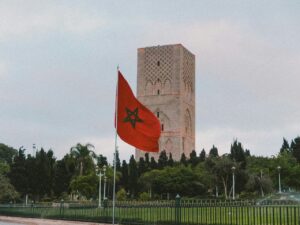
As you consider your next trip, you might wonder whether Morocco is the right choice for you. This North African country is known for its rich cultural heritage and diverse landscapes, offering a unique blend of African, Arabic, and European influences.
For some travellers, Morocco can be a cultural revelation, while for others, it can be a challenging experience. Understanding what to expect can help you navigate the differences and truly appreciate the beauty of this fascinating country and its people.
So, how can you make the most of your visit? By being aware of the potential cultural differences and being open to new experiences, you can have a rewarding trip to Morocco.
Discovering the Allure of Morocco
Morocco is a treasure trove of experiences, offering a unique blend of cultures and breathtaking natural beauty. As you explore this fascinating country, you’ll discover a rich tapestry of influences that have shaped its identity.
A Blend of Cultures and Landscapes
Morocco stands at the crossroads of multiple cultures, blending Berber, Arab, French, and Spanish influences to create a unique cultural identity. The country’s diverse landscapes range from the snow-capped Atlas Mountains to the golden dunes of the Sahara Desert, offering varied experiences within relatively short distances. You can explore the vibrant souks, admire the stunning architecture, or simply relax in a traditional riad, surrounded by the beauty of your surroundings.
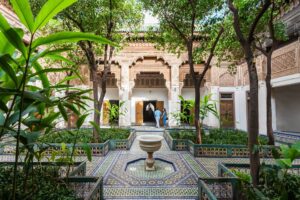
The culture of Morocco is a true reflection of its history, with intricate tile work, carved wood, and ornate plasterwork seen in riads, palaces, and religious buildings. As you wander through the medinas, you’ll be struck by the vibrant colours, the aroma of spices, and the sound of the call to prayer, creating a multisensory journey that will leave a lasting impression.
What Makes Morocco Unique
What sets Morocco apart is its ability to seamlessly blend ancient traditions with modern influences, creating an authentic cultural experience that feels both timeless and contemporary. You can explore the ancient medinas, visit historic landmarks, or enjoy the modern amenities of a luxury resort, all within the same country. Whether you’re looking to relax in a tranquil setting or immerse yourself in the local culture, Morocco has something to offer every kind of traveller, making it a truly unique experience in a fascinating country with many interesting places to visit.
As you plan your trip to Morocco, you’ll find a wide range of places to stay, from luxury riads to budget-friendly options, ensuring that your experience is comfortable and enjoyable. With its rich history, diverse landscapes, and welcoming people, Morocco is a destination that will captivate your senses and leave you with unforgettable memories.
Is Morocco a Good Holiday Destination?
With its rich cultural heritage and diverse landscapes, Morocco is increasingly appealing to a wide range of tourists. Morocco offers a unique holiday experience, combining cultural exploration, adventure, and relaxation. You can enjoy a multi-centred holiday, visiting Marrakech for its vibrant culture, and then heading to a beach or mountain location for a change of pace. The country’s infrastructure is well-suited for tourists, making it easy to navigate and enjoy the various experiences on offer.
One of the key advantages of visiting Morocco is its accessibility from the UK. With a flight time of approximately 4 hours from London, it’s an exotic destination without the long-haul flight. This accessibility, combined with the lack of significant time difference, makes it an attractive option for British travellers looking for a quick getaway.
The Appeal for British Travellers
Morocco is becoming increasingly popular among British travellers for several reasons. Firstly, the short flight time makes it an ideal destination for a quick break or a longer, more leisurely holiday. Additionally, Morocco offers excellent value for money compared to many European destinations. You can enjoy affordable accommodation, dining, and activities, making it an attractive option for travellers on a budget.
The country’s diverse landscapes and cultural heritage also play a significant role in its appeal. From the bustling streets of Marrakech to the serene beaches of Essaouira, Morocco has something to offer for every type of traveller. Whether you’re looking for cultural immersion, adventure activities, or simply a relaxing getaway, Morocco can cater to your needs.
Who Should Consider Morocco
Morocco is a versatile destination that can cater to a wide range of travellers. Whether you’re a luxury traveller looking for high-end riads, a backpacker on a budget, a family seeking educational experiences, or a couple on a romantic getaway, Morocco has something to offer. The country’s diverse landscapes and activities make it an ideal location for those seeking a mix of culture, adventure, and relaxation.
However, it’s essential to consider your travel preferences when deciding if Morocco is right for you. While some visitors adore the country’s vibrant energy and cultural immersion, others may find the persistent attention from vendors and cultural differences challenging. Understanding your own preferences and what you’re looking for in a holiday will help you determine if Morocco is the ideal destination for your next trip.
Top Places to Visit in Morocco
Morocco offers a myriad of exciting destinations that cater to all kinds of travellers. Whether you’re drawn to the vibrant energy of its cities, the serene beauty of its coastal areas, or the adventurous spirit of its desert landscapes, Morocco has something for everyone.
Vibrant Cities: Marrakech, Fez, and Casablanca
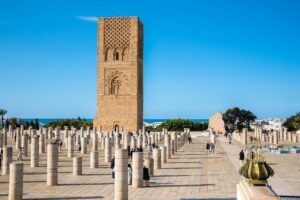
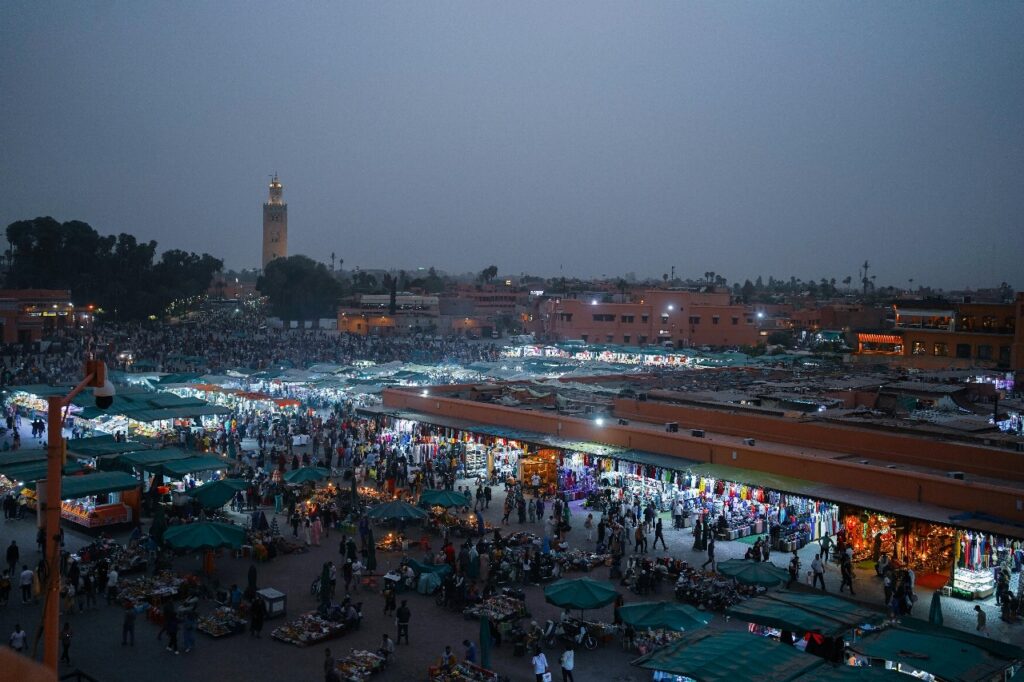
Morocco’s cities are a blend of traditional and modern charm. Marrakech stands out as the most visited city, with its vibrant Jemaa el-Fnaa square and labyrinthine medina. Fez offers a more authentic experience with the world’s oldest functioning university, Al-Qarawiyyin, and its well-preserved medieval city. Meanwhile, Casablanca presents a modern face of Morocco with the impressive Hassan II Mosque.
Coastal Gems: Essaouira and Agadir
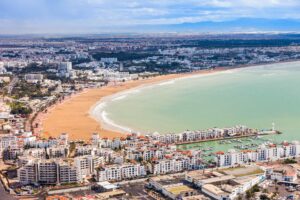
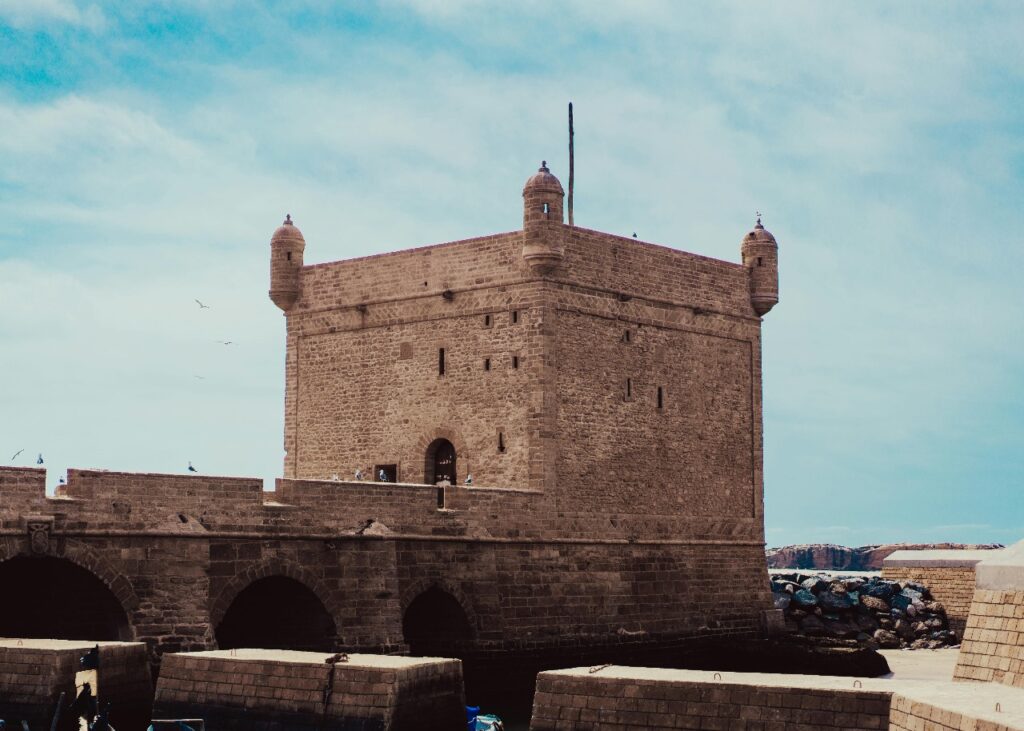
The coastal areas of Morocco provide a refreshing contrast to its bustling cities. Essaouira charms visitors with its laid-back atmosphere and thriving arts scene, while Agadir offers resort-style beaches and modern amenities, making them ideal destinations for those seeking relaxation.
Mountain and Desert Experiences
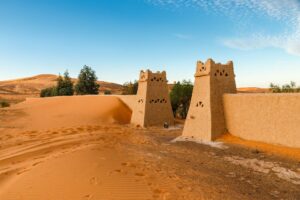
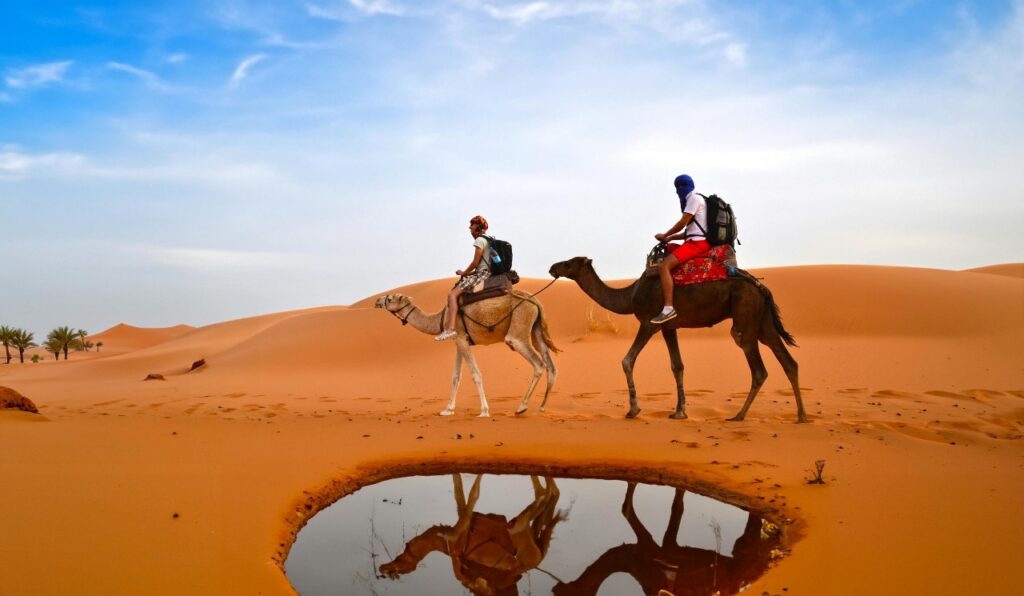
For the adventurous, Morocco’s desert and mountain landscapes offer unforgettable experiences. The Sahara Desert is a must-visit, with overnight stays in desert camps under star-filled skies and camel treks across the golden dunes of Erg Chebbi or Erg Chigaga. The Atlas Mountains also provide breathtaking views and the opportunity to experience the hospitality of traditional Berber villages.
As you explore these diverse destinations, you’ll discover that Morocco’s rich cultural heritage and stunning natural beauty make it a truly unique travel destination.
Moroccan Cuisine: A Feast for the Senses
When in Morocco, you’ll discover a culinary journey like no other. The country’s cuisine is a rich tapestry of flavours, aromas, and textures that reflect its diverse cultural heritage.
Traditional Dishes to Try
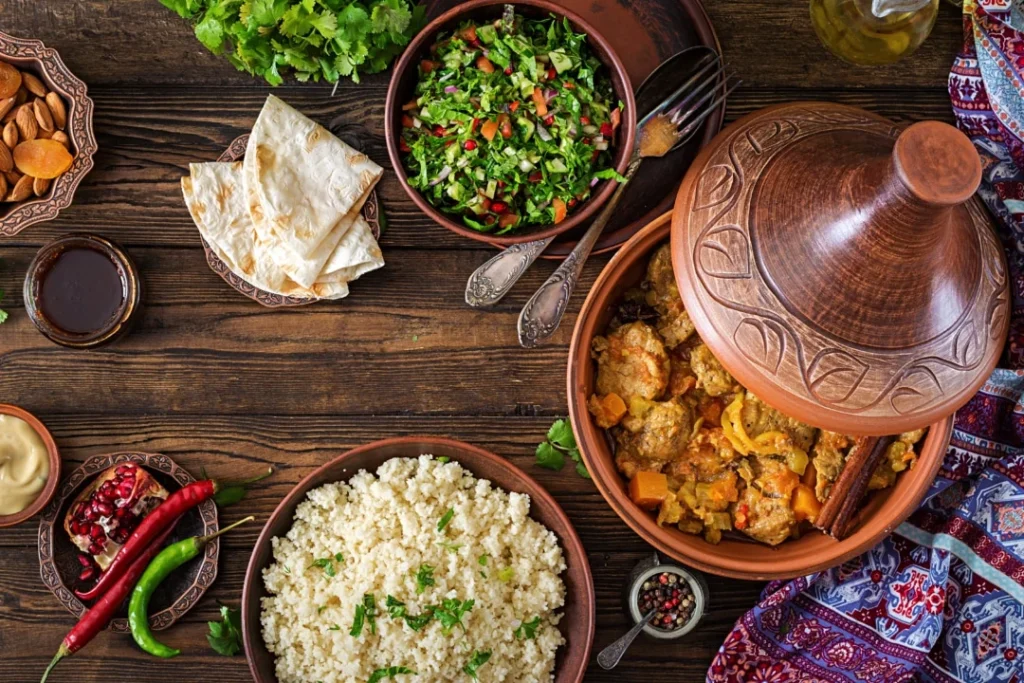
Moroccan cuisine is renowned for its tagine, a slow-cooked stew named after the clay pot in which it’s cooked. You’ll find variations of tagine throughout the country, each region offering its unique twist. Beyond tagine, be sure to try pastilla, a sweet and savoury pastry, and couscous, traditionally served on Fridays. The abundance of fresh fruits, particularly the exceptionally sweet oranges sold by street vendors, is another highlight. You’ll have a lot of options to enjoy.
Dining Experiences and Food Safety
Dining in Morocco can range from simple street stalls to elaborate palace restaurants. Many travellers find the most memorable meals are in family-run establishments or riads, where traditional recipes have been passed down through generations, providing a unique experience. However, it’s crucial to be mindful of food safety. Always drink bottled or filtered water, as tap water is not safe to consume. Eating at establishments with high turnover can also help minimize risks.
Enjoying Moroccan cuisine is a significant part of the travel experience. With its rich flavours and variety, you’ll find that there’s always something to suit your taste. So, be adventurous and try the local food – you’ll not be disappointed!
Accommodation Options in Morocco
Morocco offers a diverse range of accommodation options to suit various budgets and preferences. Whether you’re looking for a luxurious room in a high-end riad or a budget-friendly hostel, Morocco has something for everyone.
Traditional Riads and Their Charm
Riads are the quintessential Moroccan accommodation experience, offering an authentic stay with architectural beauty. These traditional houses are built around central courtyards, providing a unique and immersive experience. However, their open design can sometimes mean that noise travels between rooms.
Hotels and Resorts
For those seeking a more modern accommodation experience, Morocco’s hotels and resorts offer a range of amenities, including pools, hammams, and exceptional service. Luxury accommodation in Morocco provides exceptional experiences at prices lower than equivalent European standards, making it an attractive option for the discerning tourist.
Budget-Friendly Stays
Budget travellers can find clean, basic rooms in simple guesthouses or hostels for as little as £15-30 per night. When booking accommodation, consider the location carefully, as staying within the medina provides an immersive experience, while modern city areas offer convenience but less character. Managing your budget effectively is key to enjoying your stay without overspending money.
Getting Around Morocco
Navigating Morocco is relatively straightforward, thanks to its comprehensive transportation network. You have various options to choose from, depending on your destination and preferred mode of travel.
Trains and Buses
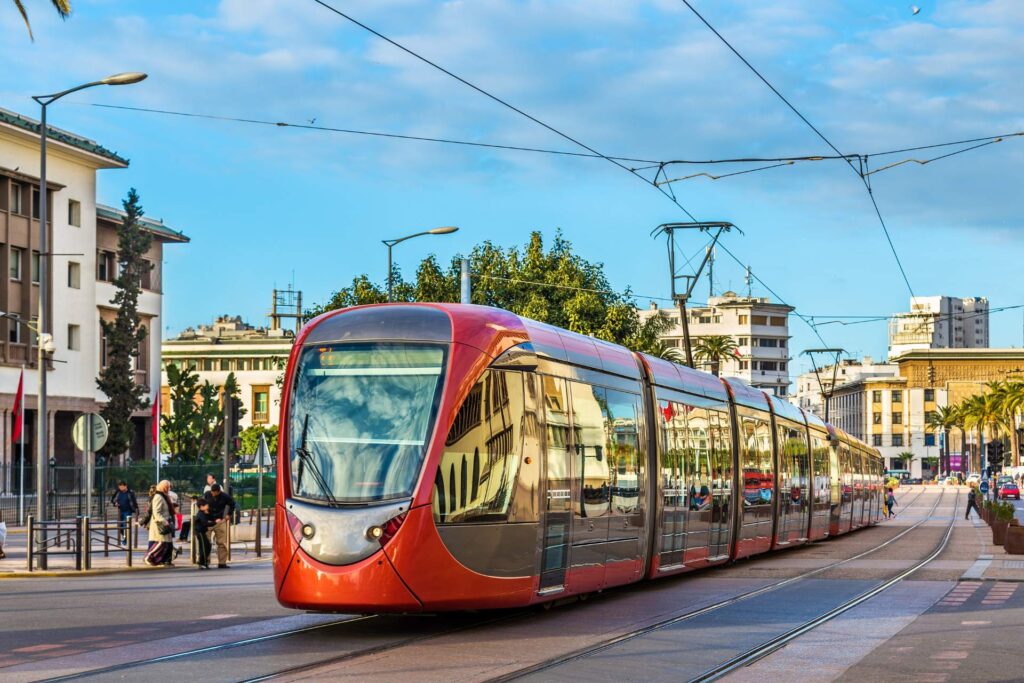
Morocco’s rail network offers an efficient and comfortable way to travel between major cities. The high-speed Al Boraq train connects Casablanca and Tangier in just over two hours, while conventional trains link other destinations like Marrakech and Fez.
For reaching smaller towns and rural areas, Morocco’s extensive bus network provides a reliable option. Companies like CTM and Supratours offer comfortable coaches with air conditioning. It’s advisable to book train and bus tickets a day or two in advance, especially during peak tourist seasons.
Taxis and Private Drivers
Navigating Moroccan cities typically involves using taxis. Petit taxis (small vehicles that operate within city limits) should run on meters, though tourists often face challenges with drivers refusing to use meters or attempting to negotiate inflated fares.
For journeys between cities where trains don’t reach, grand taxis (larger shared vehicles) provide an economical option if you don’t mind sharing with other passengers. Private drivers offer convenience at a higher price but save considerable time and stress.
Tips for Navigating Transportation
When exploring medinas and old towns, be prepared for narrow, winding streets inaccessible to vehicles. Comfortable walking shoes are essential, and in some cities like Fez, human-powered carts are the only way to transport luggage through the labyrinthine pathways.
Ensure you have a clear understanding of the transportation options available and plan accordingly to make the most of your trip.
Shopping in Moroccan Souks
As you navigate the labyrinthine souks of Morocco, you’ll discover a diverse array of handmade goods and local treasures. The souks are a shopper’s paradise, filled with vibrant colours, enticing aromas, and the sounds of lively haggling.
What to Buy and Where
Moroccan souks offer a treasure trove of handcrafted items, including leather goods from Fez’s famous tanneries, hand-woven carpets from the Atlas region, ceramics from Safi, and metalwork from Marrakech. Each region specialises in particular crafts with distinctive styles, making it easy to find unique souvenirs. When shopping, be mindful of the initial price quoted to tourists, which is typically inflated by 300-400%.
To get a fair price, it’s essential to do your research and know the market value of the items you’re interested in. Spend your first day observing what locals pay, or ask your riad host or guide for guidance on reasonable prices for common items.
Haggling Tips and Etiquette
Haggling is a game and part of the shopping experience in Morocco. Try not to get frustrated – the ideal scenario is that both sides come away feeling like they got a fair price. For big purchases, have a price in mind or shop around until you do. Be prepared to walk away, as this often results in the vendor calling you back with a better offer. Be wary of street vendors who aggressively pursue tourists, as these situations typically result in higher prices and pressure to buy.
Understanding fair price ranges before shopping helps immensely. The haggling process should remain friendly and respectful; showing genuine interest in the craftsmanship and engaging in conversation often leads to better deals and more authentic shopping experiences. Don’t hesitate to ask questions like how many hours it took to make an item or where the materials came from and at what money value.
Cultural Considerations and Etiquette
As you prepare for your Moroccan adventure, it’s essential to grasp the cultural nuances that shape daily life. Morocco is a predominantly Muslim country, and Islamic customs significantly influence daily interactions and expectations.
Dress Code and Respectful Behaviour
You should dress modestly, particularly in cities and towns, to respect local customs and avoid unwanted attention. For both men and women, this means covering from the shoulders to the knees. While standards are more relaxed in tourist resorts, adopting modest attire will enhance your experience and interactions with locals. Additionally, avoid public displays of affection, as they are generally frowned upon in Moroccan culture.
When interacting with the local people, be mindful of their customs and traditions. For instance, when visiting homes or attending cultural events, it’s considered polite to accept offered refreshments, such as tea, as a sign of hospitality.
Religious Customs and Practices
Morocco’s religious landscape is an integral part of its identity. Friday is a holy day, and many businesses close for prayers and family gatherings in the afternoon. When visiting religious sites like the Hassan II Mosque in Casablanca, ensure you are dressed appropriately and respect any rules or restrictions, such as not entering mosques if you’re not Muslim.
Understanding and respecting these customs will not only enrich your experience but also foster positive interactions with the Moroccan people.
Interacting with Locals: The Good and the Challenging
From warm hospitality to challenging encounters, interacting with locals is a key part of travelling in Morocco. Your experience will be shaped by the people you meet, whether it’s a friendly guide, a persistent vendor, or a local sharing a meal with you.
Warm Encounters
Many visitors to Morocco report experiencing genuine hospitality, particularly in less touristy areas. Locals may invite you for mint tea or share a meal without expecting anything in return. These authentic interactions often become the highlight of many travellers’ experiences. For instance, you might meet people like Mohammad, a hiking guide in Sidi Fatima, or Aziza at Gipsy Surfer Surf Shop in Essaouira, who embody the warm and welcoming nature of Moroccans.
Handling Tourist Hassles
However, not all interactions are positive. In major tourist centres, some locals may view tourists primarily as economic opportunities, leading to transactional interactions. You may encounter persistent attention from shop owners, unofficial guides, and touts. Learning to say “La, shukran” (No, thank you) firmly but politely is an essential skill to navigate these situations. Being prepared and knowing how to handle these encounters can significantly improve your overall experience.
Overcoming Language Barriers
People in Morocco appreciate when visitors make an effort to communicate in their language. While Arabic and Berber are the main languages, French is widely spoken as a second language. However, English proficiency varies greatly. Learning a few basic Arabic phrases shows respect and can change the dynamic of your interactions with locals. This simple effort can lead to more meaningful connections and a more enjoyable travel experience.
Weather and Best Time to Visit
Morocco’s diverse climate means that the weather can vary significantly depending on the region and time of year. This variability makes understanding the seasonal patterns crucial for planning your trip.
Seasonal Variations
Morocco experiences dramatically different weather patterns across its diverse regions. The best time to visit generally falls during spring (March to May) and autumn (September to November), when temperatures are pleasant throughout the country. During these periods, you can enjoy the outdoors without the extreme temperatures that are characteristic of the summer and winter months.
Summer (June to August) brings extreme heat to inland cities and the Sahara desert, with daytime temperatures regularly exceeding 40°C in Marrakech and Fez. This makes sightseeing uncomfortable and potentially dangerous without proper hydration and sun protection. In contrast, winter offers pleasant temperatures along the coast but can be surprisingly cold in the interior and mountains.
Avoiding Extreme Temperatures
To make the most of your visit, it’s essential to plan your day around the weather. During hot periods, start sightseeing early, rest during the midday heat, and resume activities in the late afternoon. Always carry sufficient water to stay hydrated, especially when exploring the Sahara desert or other arid regions. The Sahara desert experiences extreme temperature variations year-round, with scorching days and cold nights even in spring and autumn.
Avoid visiting the desert during the peak summer months when the heat can be life-threatening. Instead, consider visiting between March and June for more comfortable conditions. If you’re on a desert safari, keep your water cool by wrapping a wet cloth around your water bottle.
Conclusion: Is Morocco Right for Your Next Holiday?
If you’re looking for a destination that combines cultural immersion with natural beauty, Morocco is worth considering. The country offers an extraordinary blend of experiences that many people find captivating, from ancient medinas to Sahara adventures.
When deciding whether to visit Morocco, consider your travel preferences honestly. If you enjoy navigating cultural differences and appreciating sensory experiences, you’ll likely find it rewarding. Many people return from a trip to Morocco with unforgettable memories, despite some challenges.
In conclusion, Morocco is a country that works particularly well for those seeking a multi-centre holiday, combining city exploration with coastal relaxation or mountain trekking. With proper planning, your experience in Morocco will be truly enriching.